

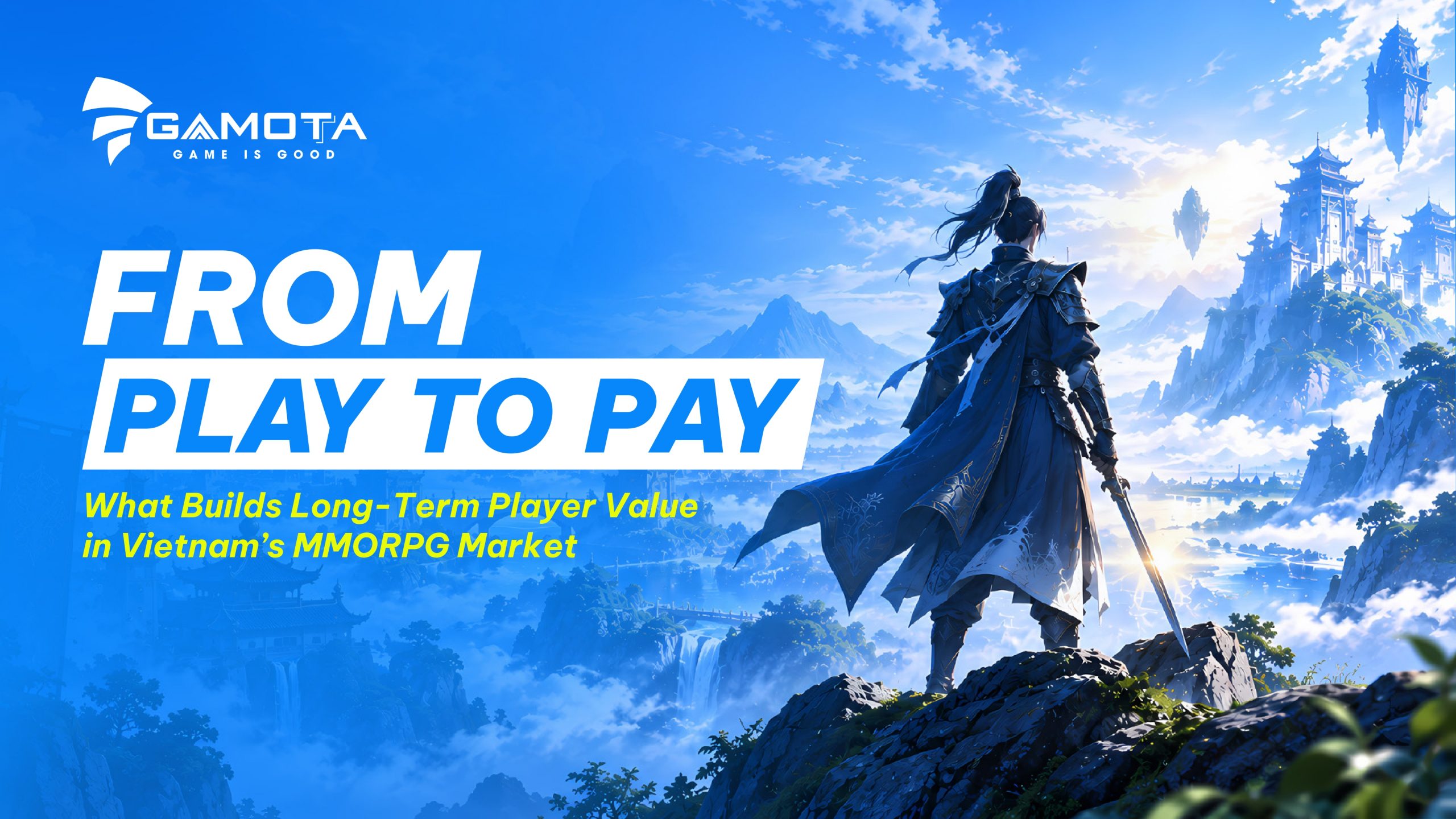
From Play to Pay explores how MMORPGs create player value. The report examines what helps sustain player engagement over time. It also looks at how that value can translate into long-term revenue potential in Vietnam.

SocialPeta and Gamota launch the 2026 Southeast Asia Mobile Game Marketing Report, exploring shifts in market scale, monetization, and advertising competition across the region. The report also takes a closer look at Vietnam and emerging growth paths for studios and publishers. The report is available in both English and Chinese.
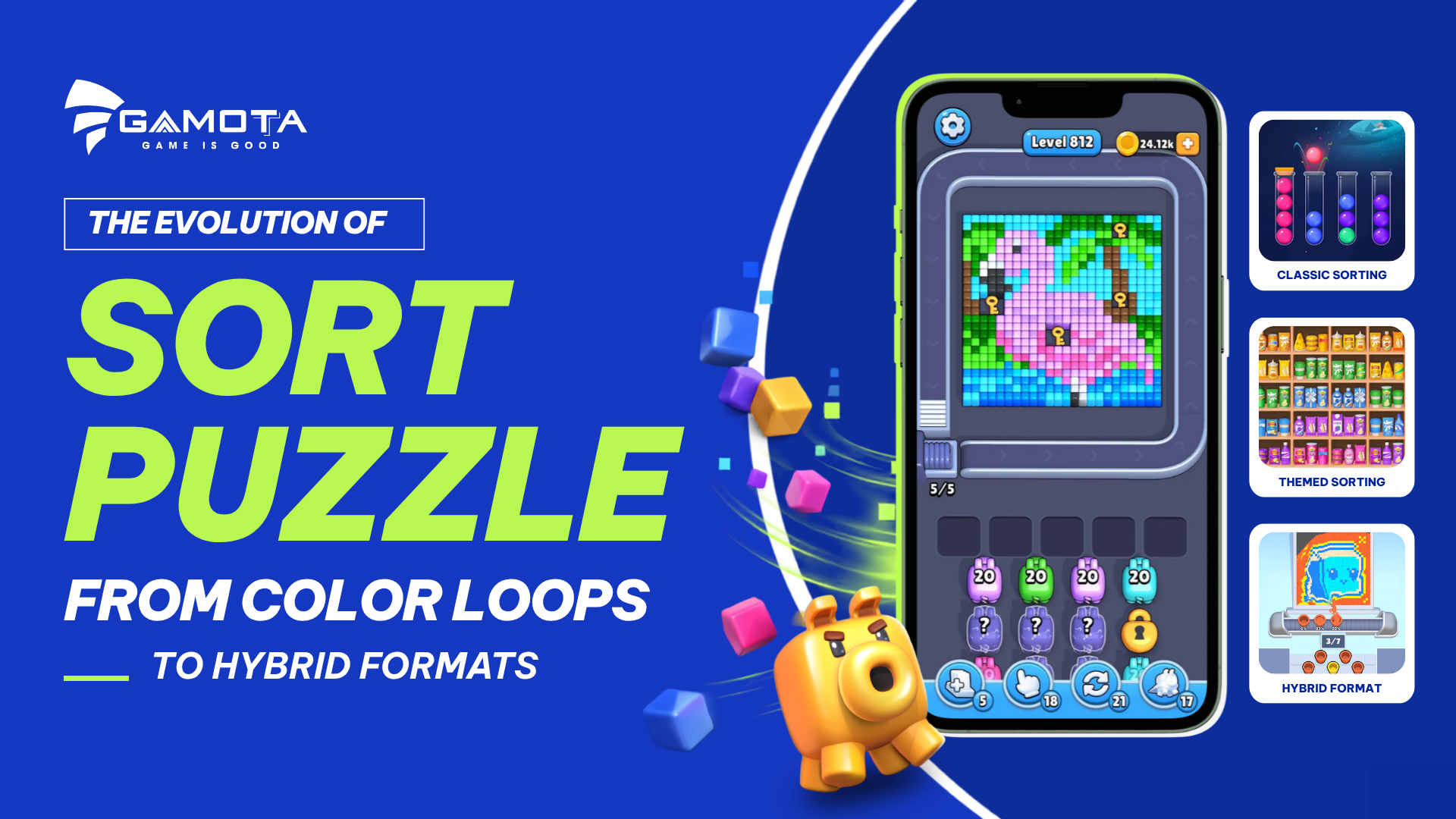
Sort Puzzle is moving beyond simple color-sorting loops.
The report explores how the category is evolving across mechanics, experience, and retention.
The report is available in both English and Chinese.
Vietnam mobile game downloads rebounded to 121M, while IAP revenue reached USD 23M.
Midcore downloads softened, but Midcore Total Revenue continued to grow.
The report highlights subgenre performance, new releases, localization signals, and industry updates.
Explore Gamota’s April 2026 report for fresh insights into Vietnam’s game market.
Gamesforum Vietnam 2026 returns to Hanoi on November 25, bringing together developers, publishers, and industry experts to explore UA, monetization, business growth, and international partnerships.
From August 17–23, Vietnam’s game market saw Rummy – Fun & Friends surge in the revenue chart, MVK Esports qualify for Worlds 2026, TFT expand its community competition, and the Cultural Industry Development Law enter appraisal.
SocialPeta and Gamota launch the 2026 Southeast Asia Mobile Game Marketing Report, exploring shifts in market scale, monetization, and advertising competition across the region. The report also takes a closer look at Vietnam and emerging growth paths for studios and publishers. The report is available in both English and Chinese.
Genshin Impact revenue jumped 110.65% as the title climbed 25 places, while Team Flash finished Top 7 at PMWC 2026. The week also brought new game launches and further progress in Vietnam’s cultural industry policy framework.
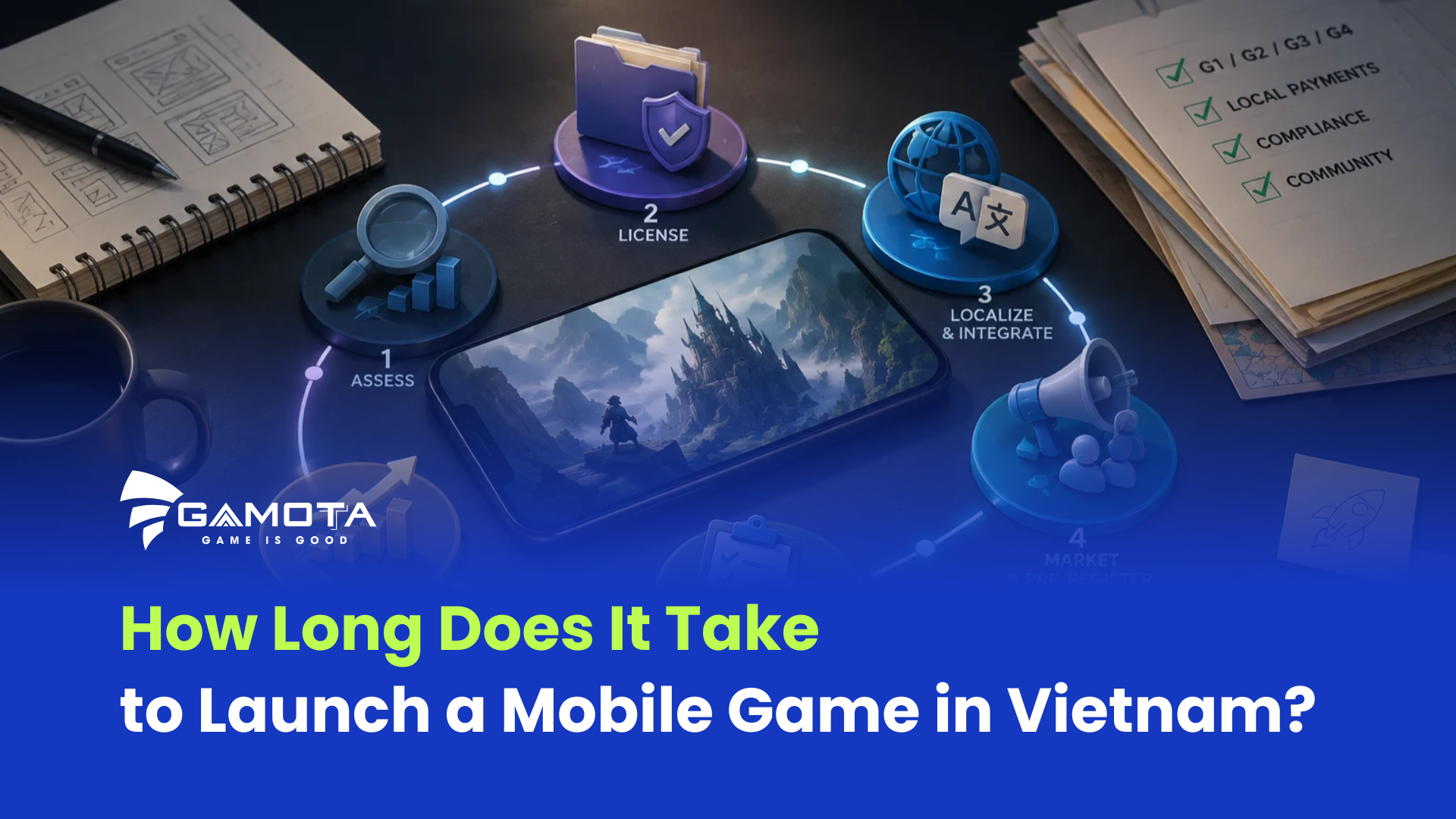
Can a mobile game really launch in Vietnam within 8–12 weeks? See how licensing, localization, technical integration and pre-registration shape the timeline—and what can delay it.
Light and Night climbed sharply in Vietnam’s mobile revenue rankings, while Team Secret Whales, FC Mobile Vietnam and Team Flash reached new international esports milestones. Local cultural elements also continued to gain momentum across Vietnam’s game development scene.