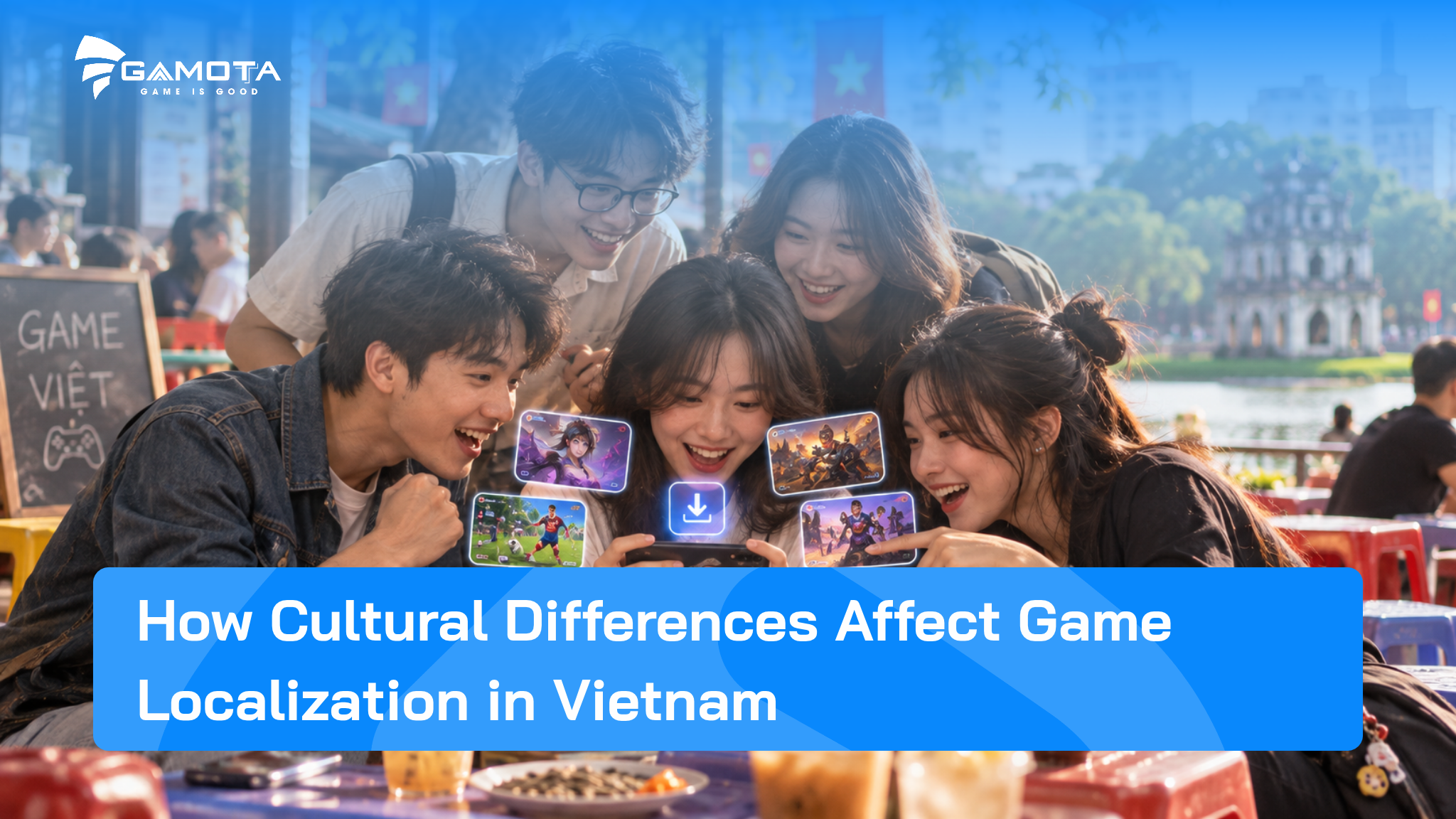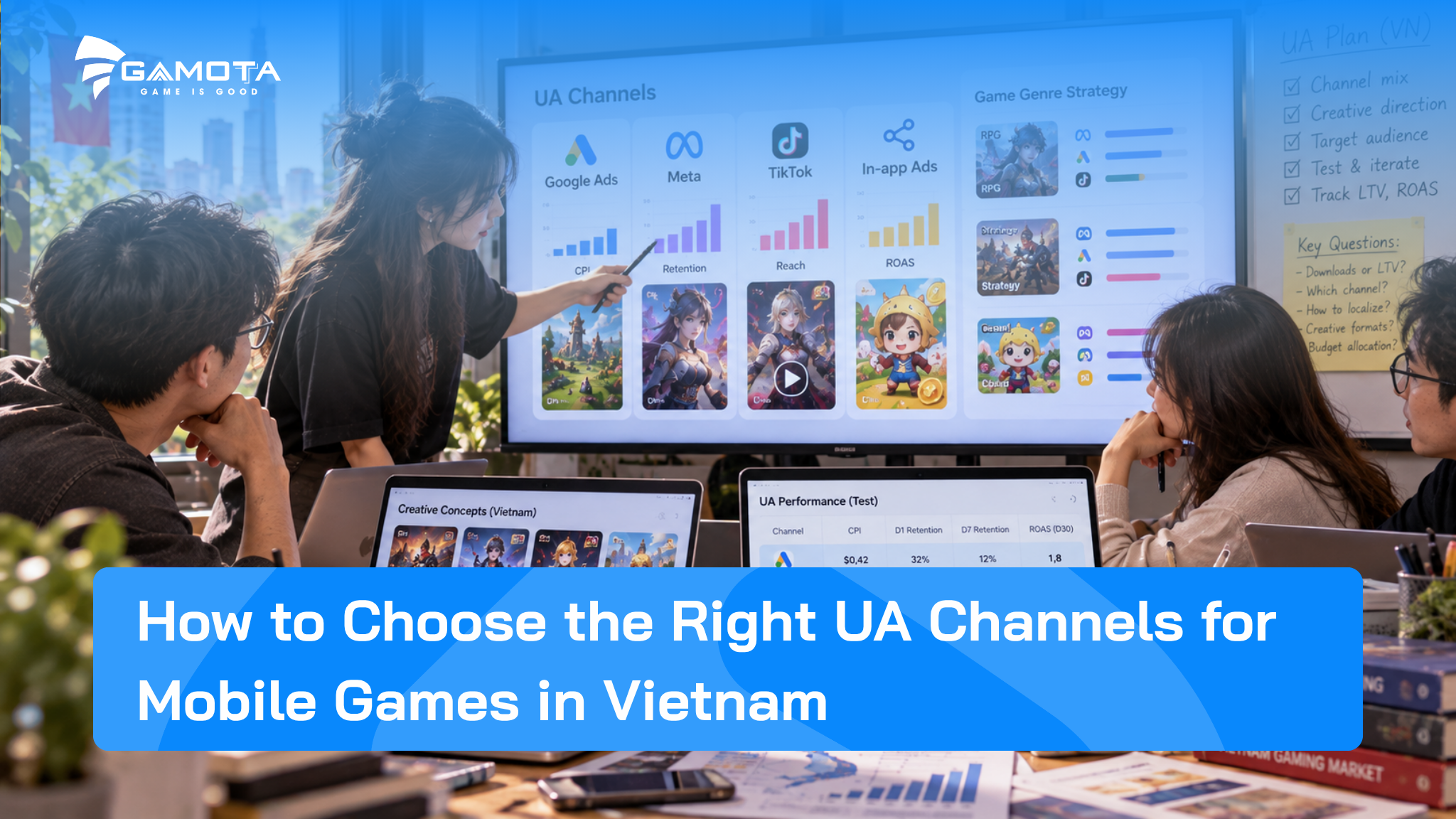


What makes Vietnamese mobile gamers download a new game? Impressive graphics, engaging gameplay, a familiar IP, or the opportunity to play with friends?
As competition in Vietnam’s mobile gaming market continues to grow, attracting players is no longer simply about offering more features. What matters is the value players recognize from their first interaction, whether the initial experience meets their expectations, and what motivates them to keep playing.
Drawing on market analysis and player behavior research, several factors stand out for international developers and publishers planning to enter the Vietnamese gaming market.
1. Gameplay Needs to Capture Attention from the First Impression
Before downloading a game, players often encounter it through advertisements, gameplay videos, creator content, or app store listings.
At this stage, communicating the core gameplay experience clearly can be more effective than presenting a long list of features.
A strategy game should demonstrate meaningful tactical decisions. A casual game should highlight its accessibility and immediate entertainment value. Meanwhile, an MMORPG might emphasize its world, character progression, or combat experience.
According to Google Play’s Store Listing guidelines, visuals, screenshots, and videos help potential users understand what an app or game offers before downloading it.
However, attracting installs does not necessarily mean meeting player expectations. When advertisements create an impression that differs significantly from the actual gameplay, players may quickly lose interest after trying the game.
2. Familiar Themes Can Attract Players, but They Are Not Enough to Retain Them
A new mobile game does not necessarily need a famous IP to capture attention. However, familiar genres, themes, and gameplay mechanics can help players understand a product more quickly.
In Vietnam, themes such as martial arts, fantasy, and football, or experiences reminiscent of previously popular titles, may provide an advantage when targeting relevant player segments.
Still, familiarity only helps establish the initial connection. A game must offer enough distinctive value to give players a reason to choose it over titles they already enjoy.
The 2026 Southeast Asia Mobile Game Marketing Report by SocialPeta × Gamota explores mobile game performance in Vietnam, including differences across subgenres and how publishers use IP, gameplay, localization, and advertising creatives to reach players.
Download the free report to explore market data, competitive trends, and potential opportunities for different game genres in Vietnam.

Tru Tien promotional artwork illustrates a familiar fantasy theme in Vietnam.
Source: Gamota.
3. Early Gameplay Should Be Accessible and Rewarding
Once players install a game, they need to understand what to do, what they can achieve, and why they should continue.
Lengthy onboarding, overly complex systems, or a lack of meaningful early rewards can create unnecessary friction.
However, accessibility does not mean gameplay must be simplistic.
For casual games, early value may come from short play sessions and the satisfaction of completing challenges. For RPGs and MMORPGs, it may involve character progression, unlocking abilities, or overcoming the first meaningful obstacle.
The common factor is that players need to feel their time and effort lead to meaningful progress.
Effective onboarding should therefore do more than explain mechanics. It should establish achievable goals, provide rewarding experiences, and give players a clear reason to return.
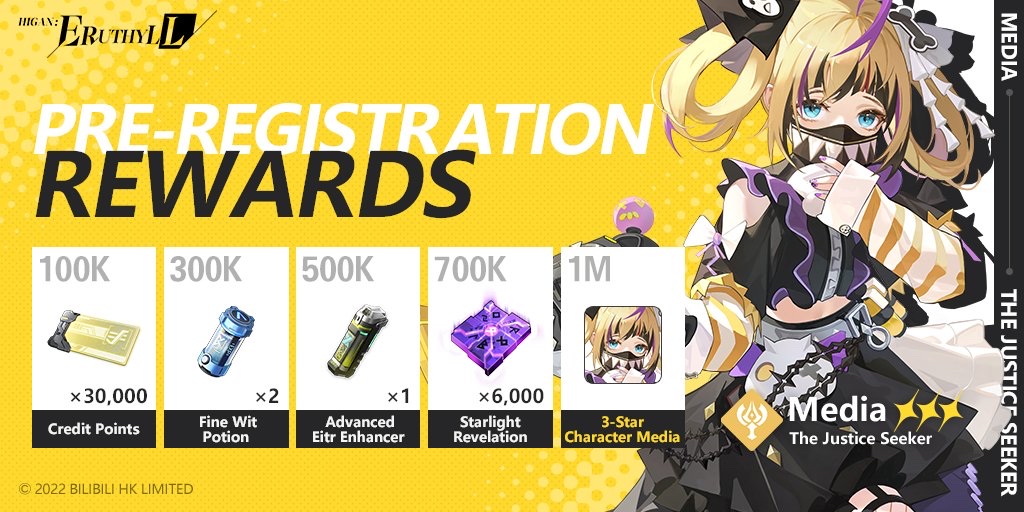
Pre-Registration Rewards Announcement.
Source: Higan: Eruthyll Official X Account
4. Players Need Reasons to Stay, Not Just Reasons to Log In
Once the initial discovery phase ends, the factors that motivate players to continue engaging with a game may begin to change.
In MMORPGs, progression and achievement can be powerful motivators during the early stages. However, as players reach certain milestones, social relationships, guilds, and shared experiences may become increasingly important.
This is one of the key themes explored in Gamota’s report, From Play to Pay: What Builds Long-Term Player Value in Vietnam’s MMORPG Market.
The report examines player value across multiple dimensions, including emotional experiences, a sense of progression, social connections, and self-expression.
One important takeaway is that the factors that attract players to a game are not necessarily the same factors that keep them engaged over the long term.
Studios looking to explore progression, social systems, retention, and player value in greater depth can download the full From Play to Pay report for free here.
5. Spending Decisions Depend on Perceived Player Value
Spending more time in a game does not necessarily mean a player is willing to spend money on it.
Decisions to purchase in-game items, Battle Passes, or special offers also depend on whether players perceive the benefits to be worth the cost.
According to the 2025 Mobile Gaming Loyalty Index by Mistplay and AppsFlyer, based on an international study of more than 4500 mobile gamers, limited item utility and discrepancies between advertised benefits and actual value are among the notable factors contributing to post-purchase regret. These findings provide international context rather than Vietnam-specific survey data.
For publishers operating in Vietnam, this highlights the importance of clearly communicated item value, appropriate pricing, seamless payment experiences, and monetization strategies that do not compromise the core gameplay experience.
Monetization should therefore not be optimized solely at the point of purchase. Instead, it needs to align with the value players receive throughout the entire game lifecycle.
Understanding Vietnamese Gamers Requires Looking Beyond Downloads
There is no single formula for attracting every segment of Vietnam’s gaming audience. Casual gamers, MMORPG players, strategy enthusiasts, and competitive gamers may have very different expectations and motivations.
Nevertheless, clear gameplay mechanics, relevant content, accessible onboarding, meaningful progression, social connections, and value-for-money purchases are all important factors to evaluate.
For international studios, understanding the market goes beyond identifying which genres generate the most downloads. It also means understanding what motivates players to try a game, what drives long-term engagement, and how that engagement can translate into business performance.
Through market research reports and player behavior analysis, Gamota continues to provide insights that help developers and publishers develop product, marketing, and operational strategies better suited to the Vietnamese gaming market.