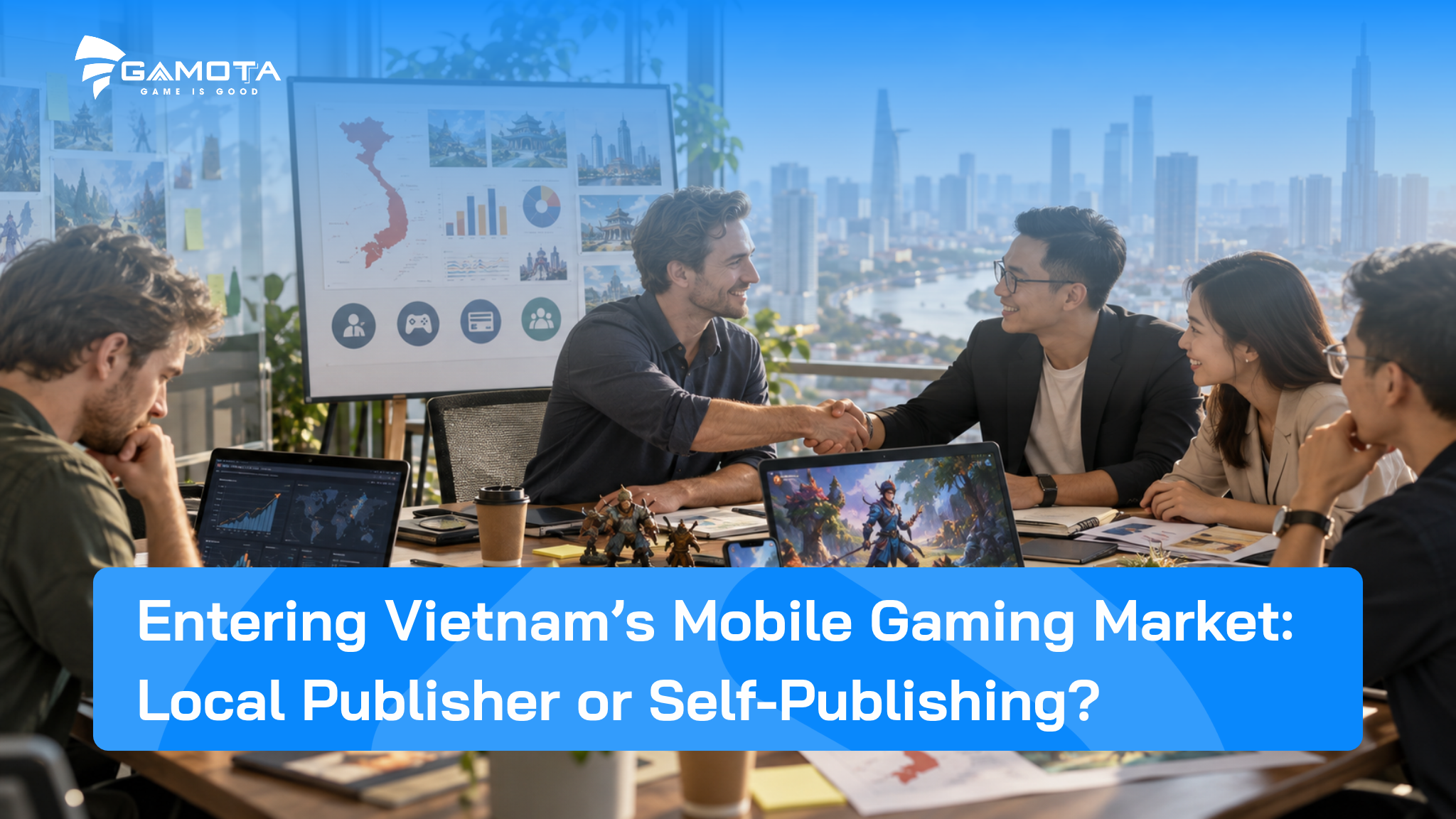
For international game developers entering Vietnam’s mobile gaming market, one of the first decisions is whether to partner with a local publisher or manage the publishing process independently through self-publishing.
Both models offer different advantages and challenges in terms of costs, product control, regulatory compliance, marketing, and operations. The right choice depends not only on budget but also on game genre, business objectives, and a studio’s ability to manage local market requirements.
What should developers consider before choosing a game publishing model in Vietnam?
1. Self-Publishing in Vietnam: Greater Control, Greater Responsibility
Self-publishing allows game developers to manage most aspects of bringing their titles to market without relying on a third-party publishing partner.
Its main advantage is greater control over the product and business strategy. Studios can directly manage marketing plans, user acquisition (UA) budgets, content updates, monetization strategies, and player relationships.
Avoiding traditional revenue-sharing arrangements with a publishing partner may also provide financial advantages.
However, self-publishing requires studios to build or outsource essential local capabilities, including localization, regulatory compliance, payment integration, customer support, and community management.
Even distribution strategies may require market-specific adjustments. For example, Google Play supports country-specific Custom Store Listings, allowing developers to tailor store content, visuals, and messaging to local audiences.
UA strategies also need to account for market competition, genre performance, and local player behavior. These factors are explored in the 2026 Southeast Asia Mobile Game Marketing Report, jointly developed by SocialPeta and Gamota.
Self-publishing is generally more suitable for studios with international publishing experience, established operational capabilities, and the resources to invest in long-term market development. In Vietnam, this model must also be implemented through a legally compliant entity and the required regulatory procedures.
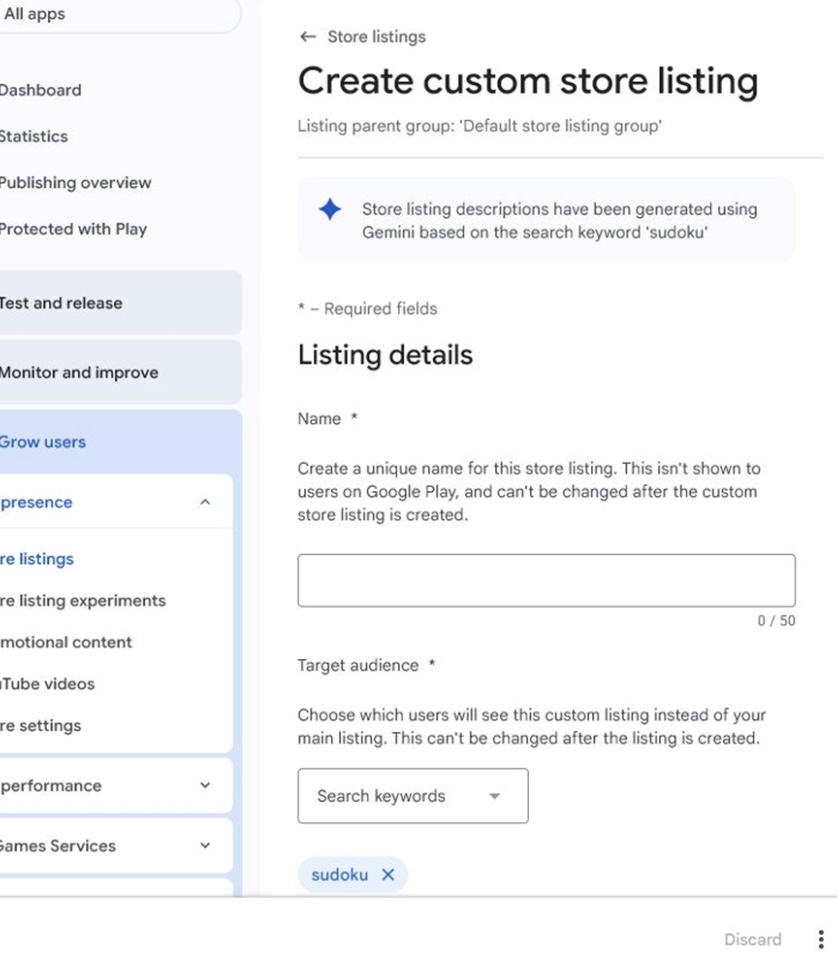
Custom store listing setup illustrates a distribution task managed by self-publishing teams.
Source: LumaPlay / DEV Community.
2. Partnering with a Local Publisher: Leveraging Established Market Capabilities
Instead of building every publishing function internally, developers can partner with a local game publisher to support their market entry in Vietnam.
Depending on the agreement, a local publisher may handle regulatory procedures, localization, marketing strategy, community operations, payment integration, and customer support.
The primary advantage is access to established market knowledge and operational infrastructure. An experienced publisher typically understands local player behavior, genre-specific preferences, communication channels, and common challenges that arise during game operations.
For MMORPGs, SLGs, and other titles with complex LiveOps requirements, local expertise in community management and player support can play an important role in sustaining engagement after launch.
However, developers must also evaluate commercial terms, including revenue sharing, exclusivity, operational responsibilities, and decision-making authority.
Working with a local publisher does not eliminate every risk. The success of the partnership still depends on the publisher’s capabilities and how effectively both parties coordinate their responsibilities.
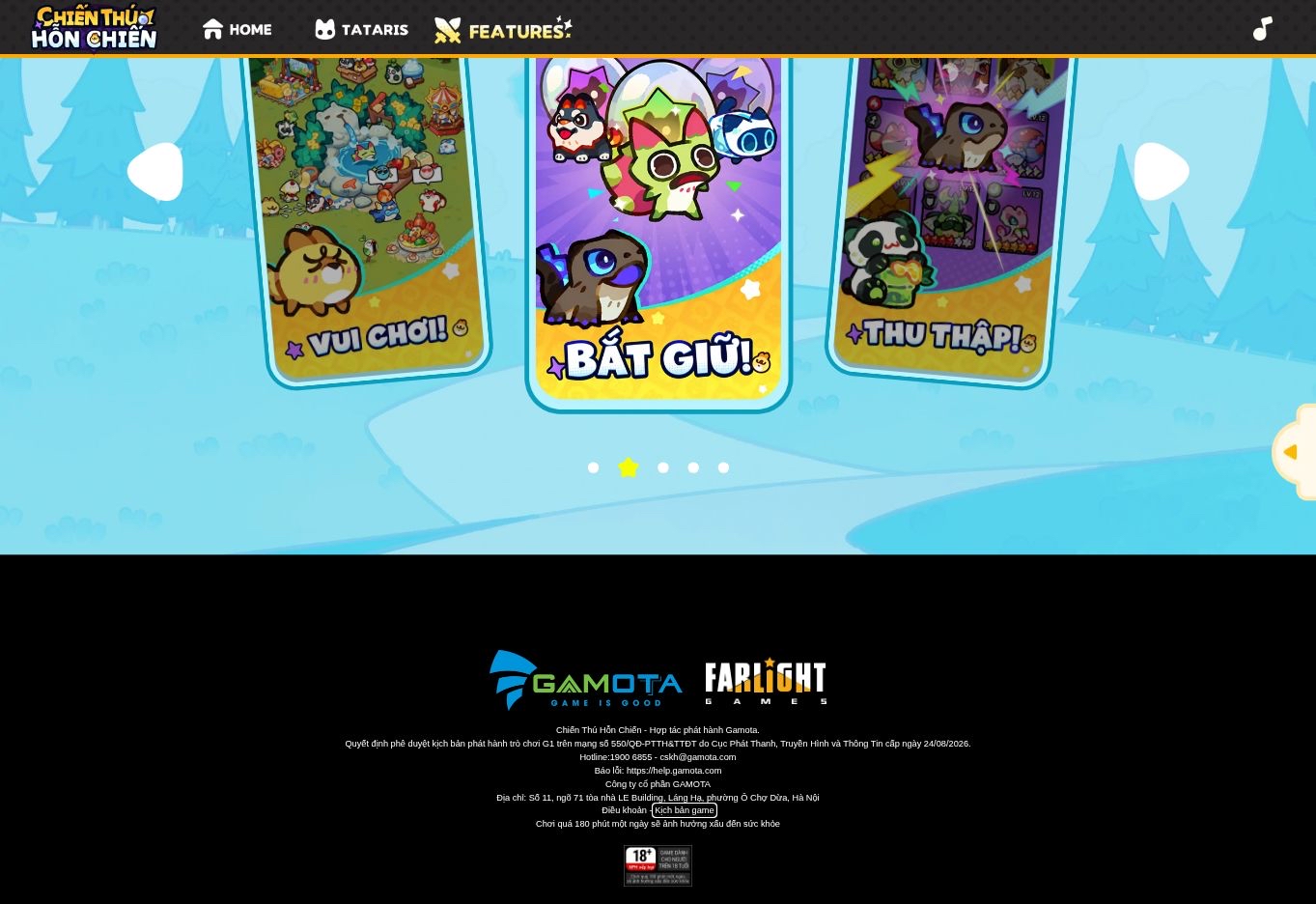
Clash of Critters — Gamota Vietnam Publishing Partner
Source: ClashofCritters website
3. Regulatory Requirements Can Influence the Publishing Model
One of the most significant differences between self-publishing and working with a local publisher in Vietnam involves regulatory requirements for online game service providers.
Under Vietnam’s regulations on online video games, including Decree No. 147/2024/ND-CP and subsequent amendments, businesses providing online game services must meet specific legal and operational requirements.
Online games are classified into four categories, G1, G2, G3, and G4, each subject to corresponding licensing or release confirmation procedures.
This means publishing a game on Google Play or the App Store does not automatically satisfy Vietnam’s legal requirements for game distribution and operation.
Foreign studios seeking to provide game services independently must establish an appropriate legal and compliance structure. When partnering with a local publisher, the Vietnamese entity may handle relevant regulatory responsibilities under the publishing agreement.
Beyond licensing, developers must also consider requirements related to game content, age classification, player accounts, personal data, and operational systems.
For a broader perspective on market conditions, publishing trends, and the regulatory environment, developers can explore Vietnam Gaming 2026 Outlook, published by Gamota.
4. Local Publisher vs. Self-Publishing: Key Factors to Consider
There is no single publishing model that works for every game. Before making a decision, developers should evaluate several factors.
Operational Resources: Does the studio already have marketing, community management, customer support, and technical operations capabilities in Vietnam? If not, building these functions from scratch may increase fixed costs and management complexity.
Control and Financial Considerations: Self-publishing gives developers greater autonomy but also requires them to bear investment costs and operational risks. Partnering with a publisher may distribute these responsibilities, although commercial commitments and revenue-sharing terms must be carefully negotiated.
Game Characteristics: A casual game with relatively straightforward operations may have very different requirements from an MMORPG or SLG that depends on frequent events, community engagement, and ongoing monetization optimization.
Long-Term Objectives: If Vietnam is a strategic market for several years, developing internal publishing capabilities may offer long-term benefits. For studios expanding into multiple countries simultaneously, working with local partners may allow for more efficient resource allocation.
5. Co-Publishing: A Flexible Alternative
Beyond traditional local publishing and self-publishing, co-publishing offers another option for international developers entering Vietnam.
Rather than transferring all publishing responsibilities to one party, developers and local partners can divide activities according to their respective strengths.
For example, a studio may continue managing game development, product roadmaps, and selected UA activities, while a local partner supports regulatory compliance, localization, payment infrastructure, or community operations.
The division of responsibilities, decision-making authority, budgets, and revenue-sharing arrangements depends on the partnership agreement. Both parties must also clearly define which entity holds legal responsibility for providing game services in Vietnam.
This approach may suit developers seeking to retain control over their products while benefiting from local market expertise and operational support.

Gamota–LDPlayer partnership at ChinaJoy 2026 illustrates cross-company collaboration.
Source: Gamota
Choosing the Right Publishing Strategy for Vietnam
Deciding between a local publisher and self-publishing in Vietnam involves more than comparing revenue-sharing arrangements.
Developers need to assess regulatory requirements, market entry costs, product control, operational resources, and long-term business objectives.
Self-publishing may provide greater independence, while local publishing offers access to established infrastructure and market experience. Co-publishing creates additional flexibility by allowing both parties to share responsibilities across different publishing functions.
With experience publishing and operating multiple game genres in Vietnam, Gamota supports international partners through flexible publishing and co-publishing models, covering localization, marketing, community development, and live game operations.
Choosing the right model from the beginning can help developers build a Vietnam market entry strategy that aligns with their available resources, product requirements, and long-term growth plans.