When bringing an international game to Vietnam, game localization is often understood as translating interfaces, dialogue, and in-game content into Vietnamese.
However, language is only one part of the localization process. How players interpret stories, perceive characters, interact with communities, and respond to marketing campaigns is also influenced by local culture and habits.
For international studios, a game that has succeeded in another market may not necessarily achieve the same results by applying its original content and communication strategies directly to Vietnam.
So, how do cultural differences affect game localization in Vietnam?
1. Accurate Translation Does Not Always Deliver the Intended Experience
A translation can be linguistically accurate without fully capturing the intended meaning within the game.
Vietnamese has a complex system of personal pronouns and forms of address that depend on age, social status, relationships, and character personalities. The choice between pronouns such as “ta,” “ngươi,” “tôi,” “anh,” or “em” can significantly change how players perceive a character.
This is particularly important for story-driven games such as MMORPGs, RPGs, and visual novels, where translations must maintain consistency in character personalities, relationships, and narrative context.
Terminology also needs to be adapted to different genres. Martial arts and cultivation-themed games may use established Sino-Vietnamese terminology, while casual games often benefit from more direct and accessible language.
According to the IGDA’s Localization Quality Assurance guidelines, localization testing goes beyond grammatical accuracy. It also involves terminology consistency, character tone, user interfaces, and elements that may not be culturally appropriate for the target market.
Therefore, game localization should be evaluated within the actual gameplay experience, rather than through isolated translation reviews.
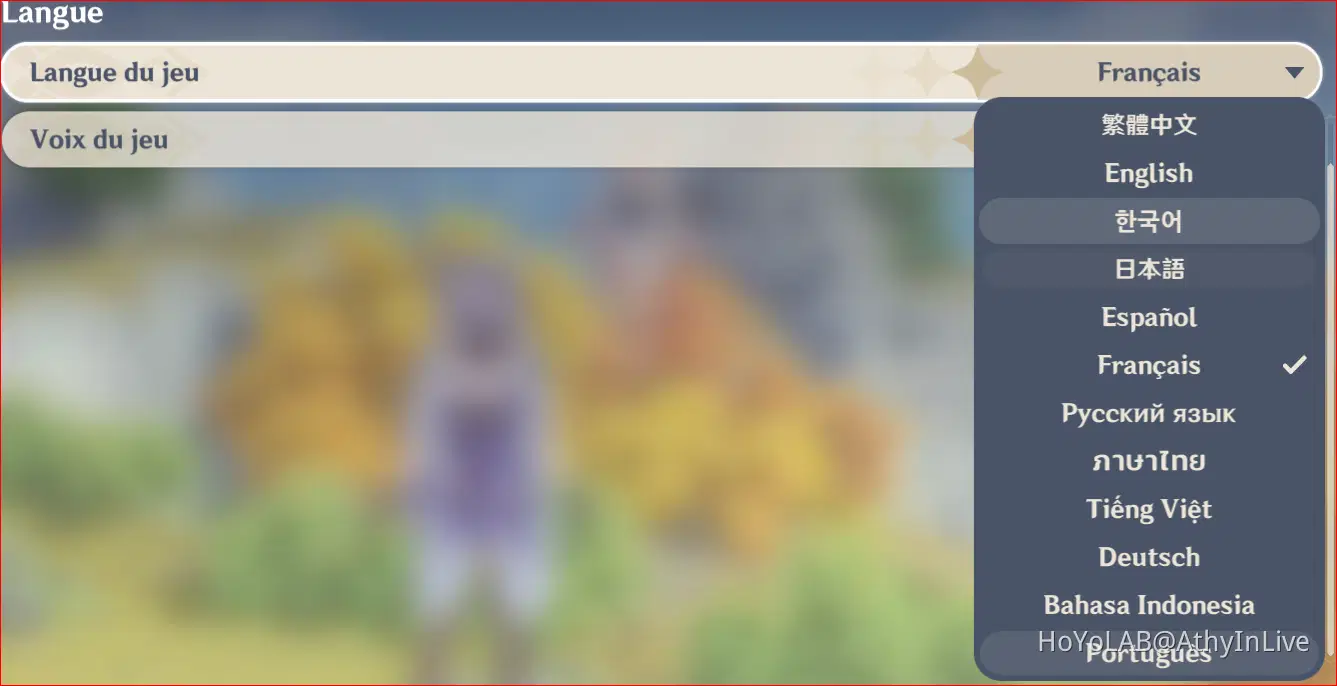
In-Game Language Selection with Vietnamese Support — Genshin Impact
Source: HoYoLAB Community.
2. Cultural Context Shapes How Players Interpret Game Content
Certain elements that are familiar to players in a game’s original market may not carry the same meaning in Vietnam.
Language-based jokes, wordplay, cultural symbols, and references to local history or everyday life can be difficult to convey without losing their intended meaning.
This creates a need for cultural adaptation, which involves adjusting how content is presented so that players in the target market can understand the intended meaning and emotional context.
However, localization does not mean replacing every foreign cultural element with something familiar to Vietnamese players.
For games set in Japan, Korea, or China, the original cultural identity may be an essential part of their appeal. Excessive adaptation could weaken the distinctive characteristics of the game’s world.
The objective is therefore not to localize as much as possible, but to identify which elements should remain unchanged, which require additional context, and which should be adapted to avoid confusion or misinterpretation.
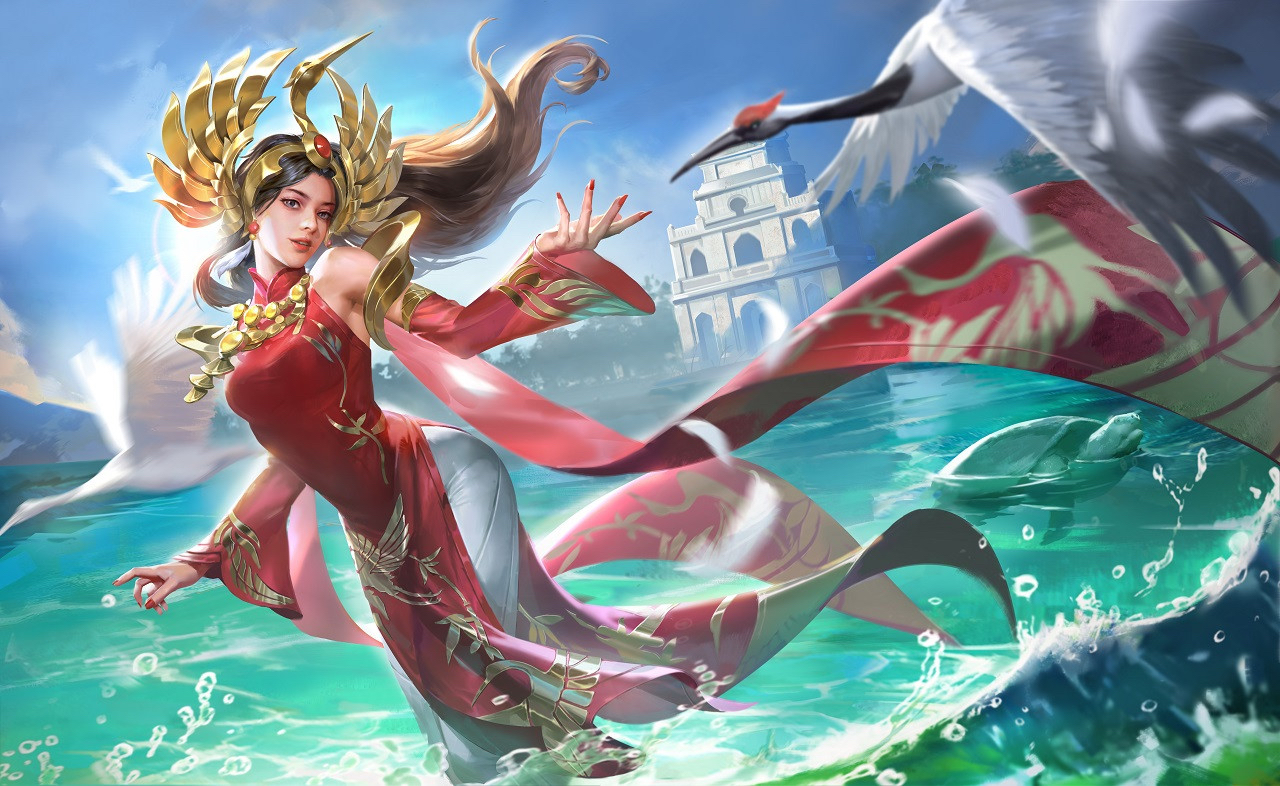
Ilumia Thien Nu Ao Dai skin incorporates Vietnamese dress into Arena of Valor’s character design.
Source: Garena.
3. Community Culture Is Also Part of Game Localization
Localization does not end when players successfully download a game.
How publishers communicate, organize activities, and manage player communities also influences whether a game feels relevant and accessible to its audience.
In Vietnam, Facebook Groups, Fanpages, Discord, and offline events can serve different purposes in connecting players. A community management strategy that works effectively in another market may not deliver the same results when applied directly to Vietnam.
For MMORPGs, guild activities, team-based gameplay, and shared objectives can also create value beyond the core gameplay experience.
Gamota’s research report, From Play to Pay: What Builds Long-Term Player Value in Vietnam’s MMORPG Market, explores how social relationships, progression, and individual experiences contribute to long-term player value.
One important finding is that the factors motivating players to start a game may differ from those that keep them engaged over time.
For international studios, this suggests that localization should be closely connected to community management and LiveOps strategies, rather than treated as a task completed before launch.
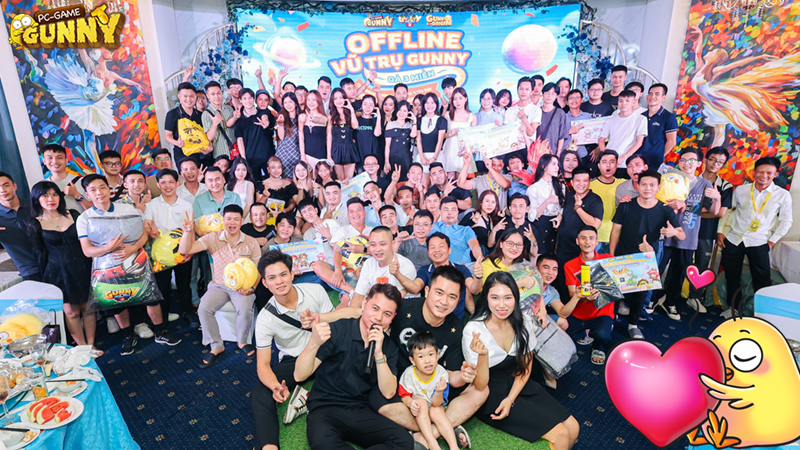
Gunny Universe Offline Meetup
Source: Gunny PC Official Website
4. LiveOps Events and Experiences Should Reflect Local Context
Cultural differences also influence when and how publishers organize in-game activities.
Occasions such as Lunar New Year (Tet), the Mid-Autumn Festival, and public holidays in Vietnam can create opportunities for seasonal content, community events, and engagement campaigns.
However, simply changing visual elements to match a holiday theme is not enough to create an effective localized event.
Publishers need to consider how an event connects with the game’s characteristics and what motivates players to participate.
For example, a casual game may introduce short seasonal events with accessible missions, while an MMORPG could incorporate guild activities, cooperative objectives, or collectible rewards.
Operational schedules should also align with local time zones, holidays, and the daily routines of target player segments.
Localization in LiveOps therefore involves more than choosing culturally relevant event themes. It also requires designing experiences that fit the needs and behaviors of different player communities.

Arena of Valor’s Tet 2026 community schedule
Source: Garena
5. Marketing Localization Should Reflect How Players Discover and Engage with Games
Cultural differences extend beyond the product itself and influence how games are marketed.
An advertising video that performs well in its original market may not generate the same response in Vietnam. Language, humor, video pacing, and gameplay scenarios may need to be adjusted for specific player segments.
This does not necessarily mean recreating every advertisement from scratch. Studios can test different creative variations, refine messaging, adapt visuals, or change how they highlight core gameplay value.
App store pages also require localization. Google Play supports translating and customizing Store Listings, including descriptions, visuals, and other content presented to users.
The 2026 Southeast Asia Mobile Game Marketing Report by SocialPeta × Gamota provides additional insights into mobile game marketing, including how publishers leverage IP, gameplay, localization, and advertising creatives to compete in Vietnam and Southeast Asia.
Studios can register to download the free report for a deeper understanding of advertising trends, genre performance, and player acquisition strategies across the region.
Game Localization Is an Ongoing Process of Market Adaptation
An effective game localization strategy does more than help players understand content in their own language. It makes the overall experience more relevant to their cultural context and everyday habits.
From character dialogue and storytelling to community operations, LiveOps, and marketing, every touchpoint can influence how Vietnamese players perceive and engage with an international game.
However, not every cultural difference requires a product change. The key is to understand different player segments, preserve the game’s core identity, and adapt the elements that genuinely need adjustment.
With experience publishing and operating multiple game genres in Vietnam, Gamota supports international partners in localization, marketing strategy, community management, and LiveOps tailored to the local market.
Game localization should therefore not be treated as the final step before launch, but as an ongoing part of entering Vietnam’s gaming market and building long-term product growth.