Community is one of the key factors that helps a game maintain player interest and engagement after launch.
In Vietnam, gaming communities are rarely concentrated on a single platform. Facebook Groups, Fanpages, Discord, Zalo, offline events and Community Managers can all play different roles at different stages of the product lifecycle.
For international developers and publishers, community building must begin well before launch. A well-structured strategy can support the game from pre-launch preparation and launch activation to player retention, crisis management and the development of a loyal player base that actively advocates for the product.
1. Build the Community Before Launch
The pre-launch stage is an important opportunity to bring together the first core group of players, test market response and build momentum for the release campaign.
Facebook Groups are often well suited to early community building, giving players a place to ask questions, discuss gameplay and share expectations.
Fanpages serve as the official communication hub, making them suitable for announcements, feature introductions and brand communication.
Discord is often more effective for highly engaged player groups that want topic-based discussions, team formation or closer interaction with the operations team. In some cases, Zalo can also work well for smaller groups or communities that need faster, more direct communication.
At this stage, the goal is not necessarily to build the largest possible community. What matters more is forming an initial group of players who are engaged enough to start discussions, create content and provide genuine feedback about the game.
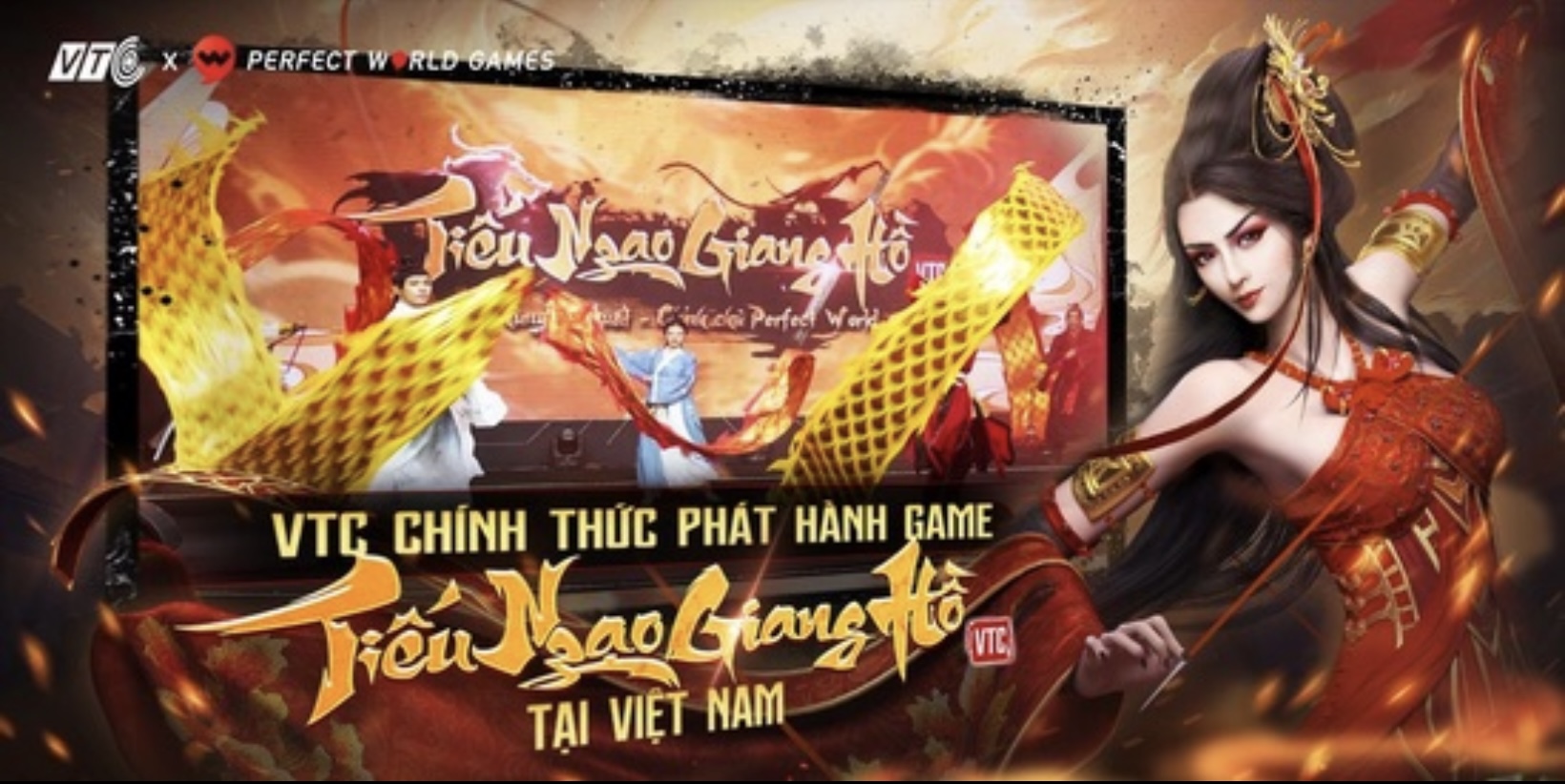
Launch press conference of “Tieu Ngao Giang Ho”
Source: GameK
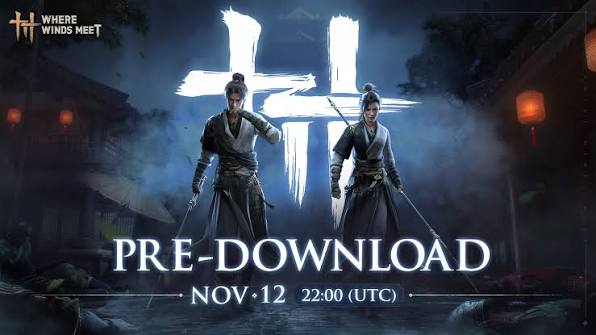
Pre-download announcement for “Where Winds Meet”
Source: iXBT.games
2. Activate the Community at Launch
When the game officially goes live, the community becomes an important touchpoint for turning interest into action.
Countdown content, download guides, gift codes, minigames, livestreams and new-player guides can all help reduce friction during the first few days.
Fanpages are useful for official communication, while Facebook Groups and Discord are better suited to encouraging player-to-player discussion.
Offline activities such as launch events, meetups and tournaments can create an additional layer of engagement, particularly for games with strong competitive or community-driven elements.
Launch is also the stage when the operations team should closely monitor community feedback to identify issues related to login, servers, onboarding or in-game activities as early as possible.
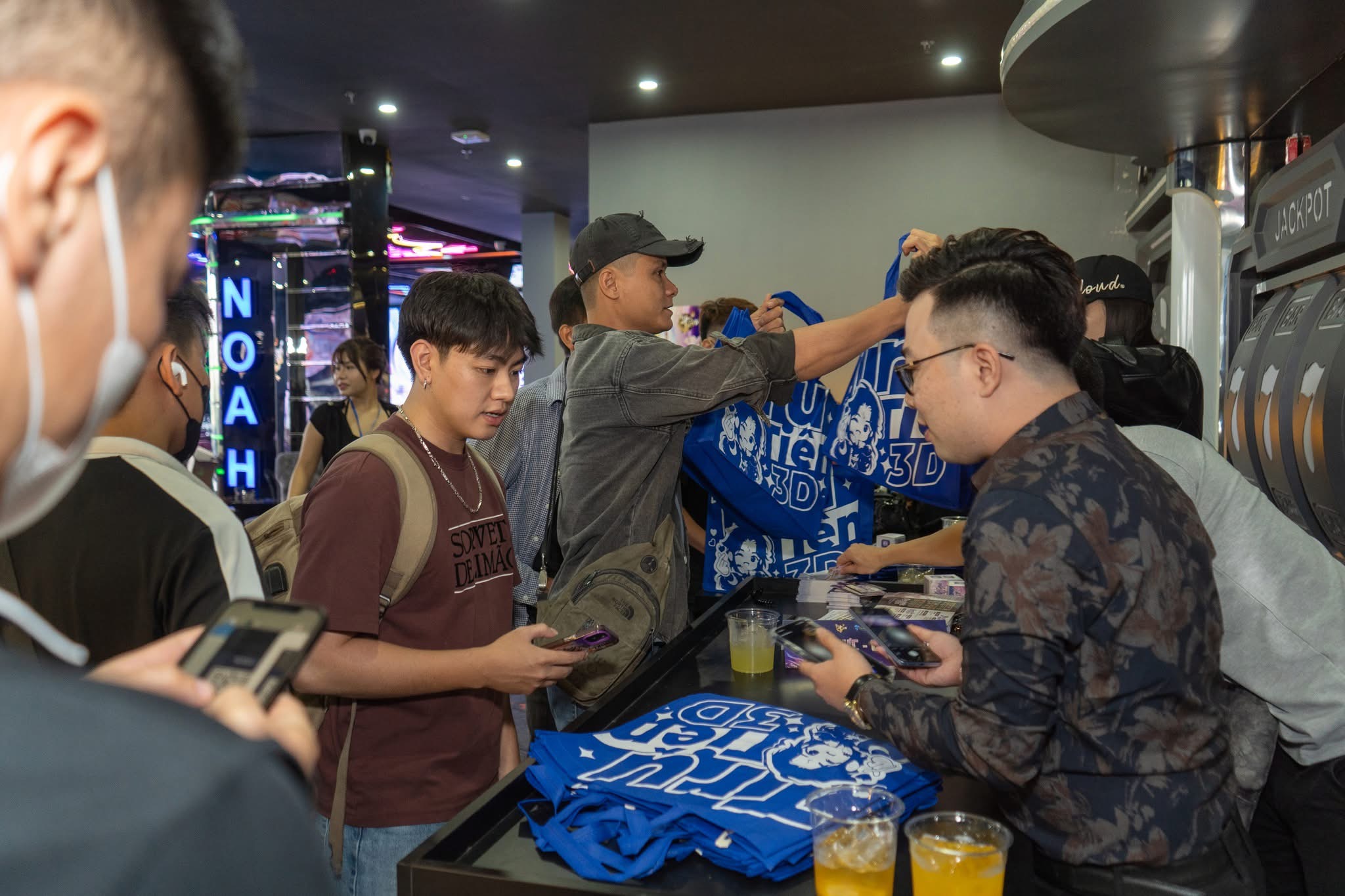

Players participating in the “Tru Tien” offline event
Source: Gamota
3. Use Community to Support Player Retention
After launch, the role of the community shifts from attracting attention to sustaining engagement.
Content may focus on updates, in-game events, strategies, PvP, guild activities, fan art and UGC (User-Generated Content) created by players themselves.
A healthy gaming community cannot rely only on one-way communication from the publisher. Players need space to exchange tips, recruit members, share achievements and create discussions of their own.
UGC becomes particularly valuable at this stage. When players begin creating videos, memes, guides, fan art or strategy content, the community starts generating engagement without depending entirely on the publisher’s content calendar.
However, a strong community cannot fix underlying Product issues. If the core loop is not engaging enough or LiveOps lacks depth, community activity alone will have limited impact on long-term retention.
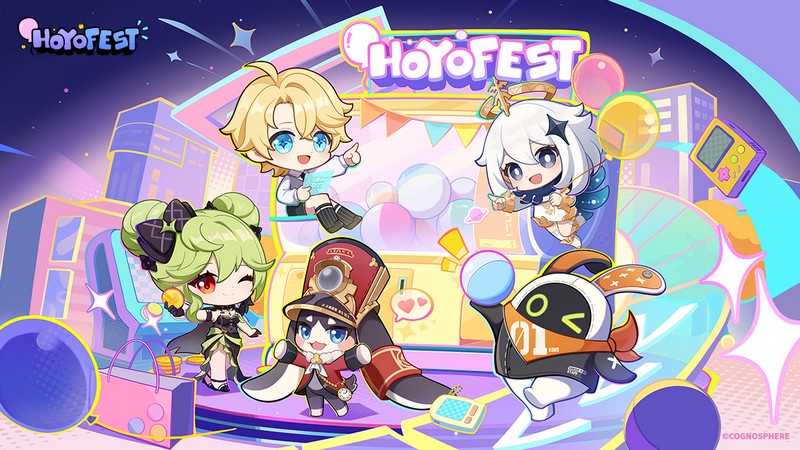
The annual HoYoFEST event
Source: Hoyoverse
4. Community Managers Act as an Early Warning System
Community Managers do more than remove spam or enforce rules.
They serve on the front lines of daily player sentiment. Changes in discussion patterns, recurring questions or unusual reactions can become early signals of product issues.
The CM team should function as an early warning system for operations.
They need to understand the game, know the community guidelines and recognize which issues can be handled directly, which situations need to be de-escalated, and when an issue should be escalated to customer support, operations, Product or communications.
Consistency also matters. Responses that are too scripted can create distance, while overly personal or inconsistent communication can cause confusion around official information.
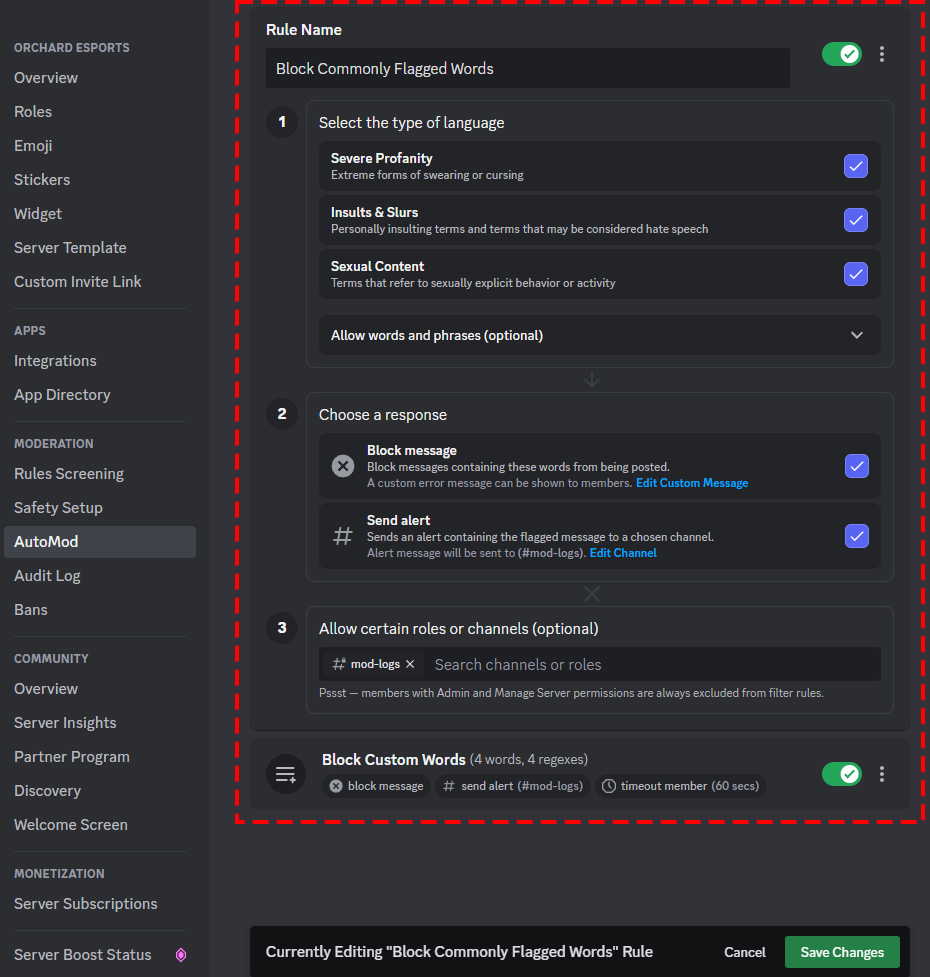
AutoMod interface – an illustration of a tool that supports community moderation
Source: Discord
5. Crisis Management Starts With Reading Community Sentiment Correctly
Server issues, balance changes, payment problems or controversial updates can quickly trigger strong reactions within the community.
In these situations, simply counting negative comments is not enough. Teams need to monitor Community Sentiment, identify which issues are genuinely affecting player experience, understand which groups are reacting most strongly and assess how widely the issue is spreading.
A clear Crisis Management process should include verifying the issue, aligning the message, choosing the right response channels and providing progress updates when the problem cannot be resolved immediately.
Community Managers also need to know which issues can be handled at community level and which require immediate escalation to other teams.
In many cases, the speed and consistency of communication can significantly influence how the community responds to an incident.
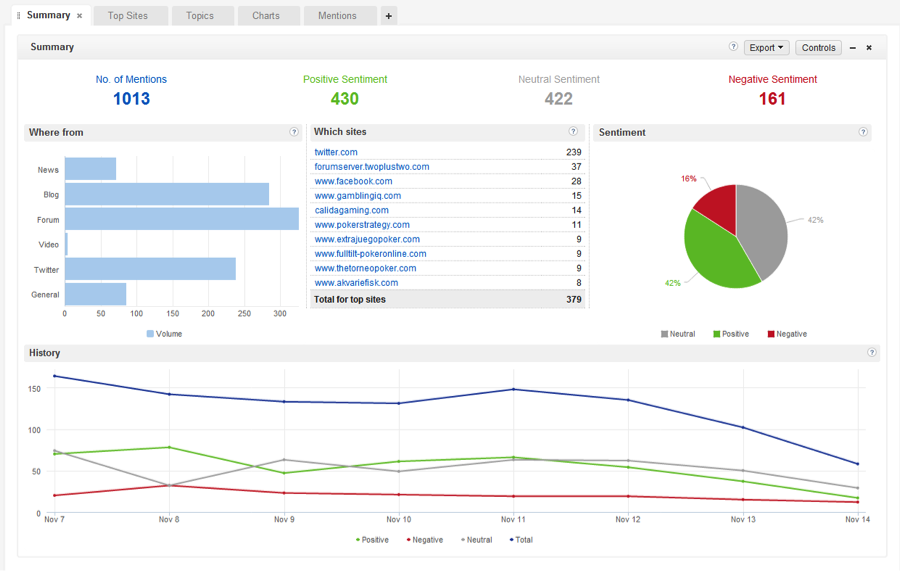
Brandwatch dashboard illustrating the tracking of discussion sentiment
Source: AMT Lab
6. Turn Active Players Into Brand Advocates
As the community matures, some players may move beyond being regular users and become Brand Advocates for the game.
They may create content, help new players, build guilds, organize activities or recommend the game to other players.
Publishers can support this group through Creator Programs, recognition initiatives, community tournaments, selected KOC programs or dedicated offline activities.
However, advocacy cannot be created through incentives alone. Players are more likely to promote a game when they genuinely have a positive experience and feel that they have a meaningful place within the community.
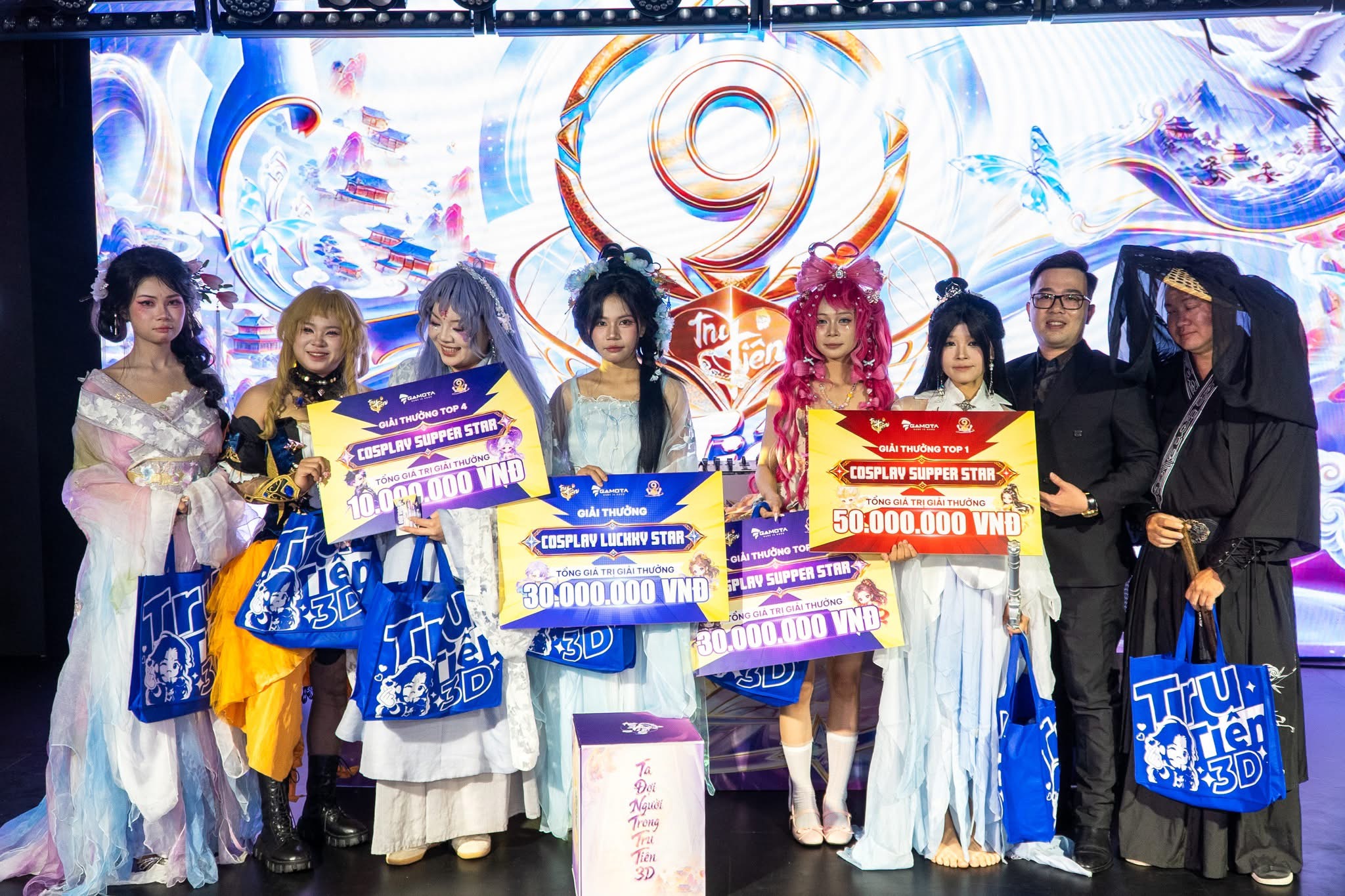
Players participating in cosplay activities at the 9th-anniversary celebration of “Tru Tien”
Source: Gamota
You Do Not Need to Be on Every Platform
Facebook Groups, Fanpages, Discord, Zalo and offline events are not interchangeable channels.
Each serves a different purpose. Fanpages work as the official communication hub, Groups help drive discussion and UGC, Discord is better suited to nurturing core players, Zalo can support smaller groups that need fast communication, and offline events turn online relationships into direct experiences.
Being present on more platforms does not automatically create a stronger community. Channel selection should be based on player behavior, product characteristics and the team’s actual operating capacity.
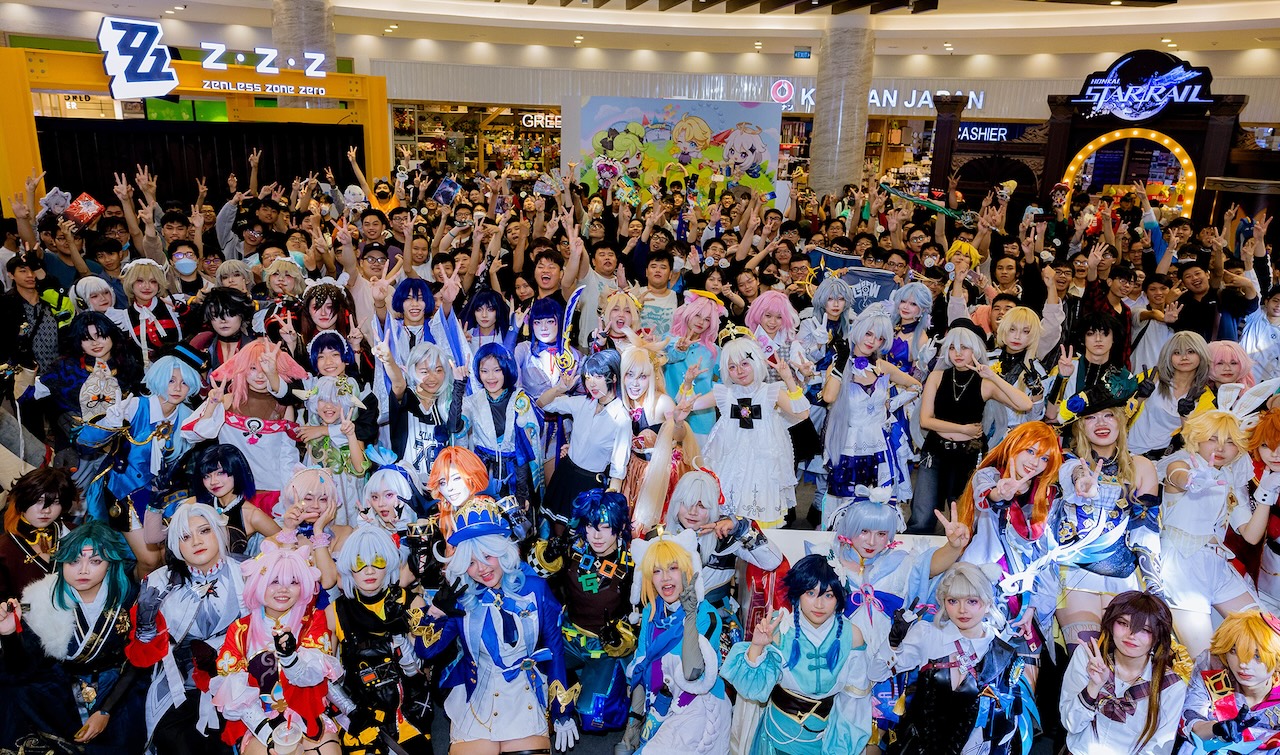
The player community at HoYoFEST
Source: VIETGAME
Community Is Part of the Product Lifecycle
An effective gaming community should not be measured only by member count, engagement volume or posting frequency.
Its real value lies in how well it supports each stage of the product lifecycle: building the first player base before launch, driving activation at release, supporting retention, identifying early risks, managing crises and gradually developing Brand Advocates for the game.
This requires the Community team to work in lockstep with Product, operations, customer support and communications rather than operating as a separate function.
With experience in game publishing and operations in Vietnam, Gamota supports partners across multiple areas of community building, from pre-launch strategy and channel management to community operations, CM team management, offline events and long-term player engagement after release.