
Vietnam is one of the most notable mobile gaming markets in Southeast Asia. However, a game that performs well in South Korea, Japan, China, or other markets cannot be expected to deliver the same results in Vietnam.
According to the 2026 Southeast Asia Mobile Game Marketing Report, jointly published by SocialPeta and Gamota, Vietnam recorded 76.5 million mobile game downloads in the first half of 2026, while revenue reached approximately USD 177 million, up 7.5% year over year. The market still offers significant room for growth, but increasing competition is also raising the bar for international developers and publishers.
Read the 2026 Southeast Asia Mobile Game Marketing Report by SocialPeta × Gamota
In practice, even a strong game can struggle if its market-entry strategy is not suited to Vietnam. Below are seven common mistakes to avoid.
1. Translating the Game Without Truly Localizing It
Translating the interface and dialogue into Vietnamese is only the first step.
Game localization also involves item naming, copywriting, promotional visuals, offers, app store content, and the way a publisher communicates with its community. A translation can be technically correct but still feel unnatural if it does not reflect how local players naturally communicate and engage with gaming content.
True localization must span the entire player journey, from the first ad users see and the app store page they visit to the content and activities they experience in the game.
Google Play also allows developers to create custom store listings for specific countries and audience segments instead of using the same store content for every market.
Learn more about custom store listings on Google Play
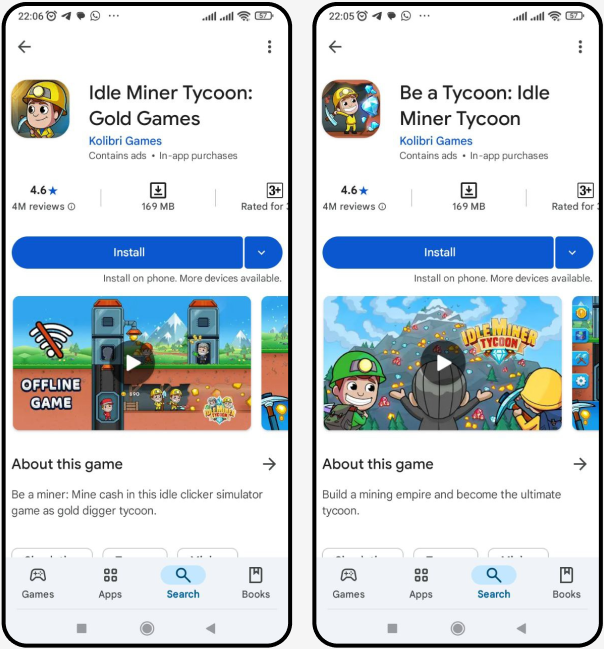
Two ways to showcase the same game on Google Play
Source: Radaso
2. Reusing Advertising Creatives From Other Markets
An ad that performs well in South Korea, Japan, or China may not generate the same response in Vietnam.
The difference may come from the character featured in the creative, video pacing, messaging, humor, call to action, or the specific player motivations the ad is designed to address.
Instead of simply translating subtitles or voiceovers, publishers should develop and test advertising creatives specifically for Vietnamese users.
Performance should also be evaluated beyond click-through rates. Install conversion, player activity, retention, and post-install user quality are equally important when assessing whether an acquisition campaign is actually working.
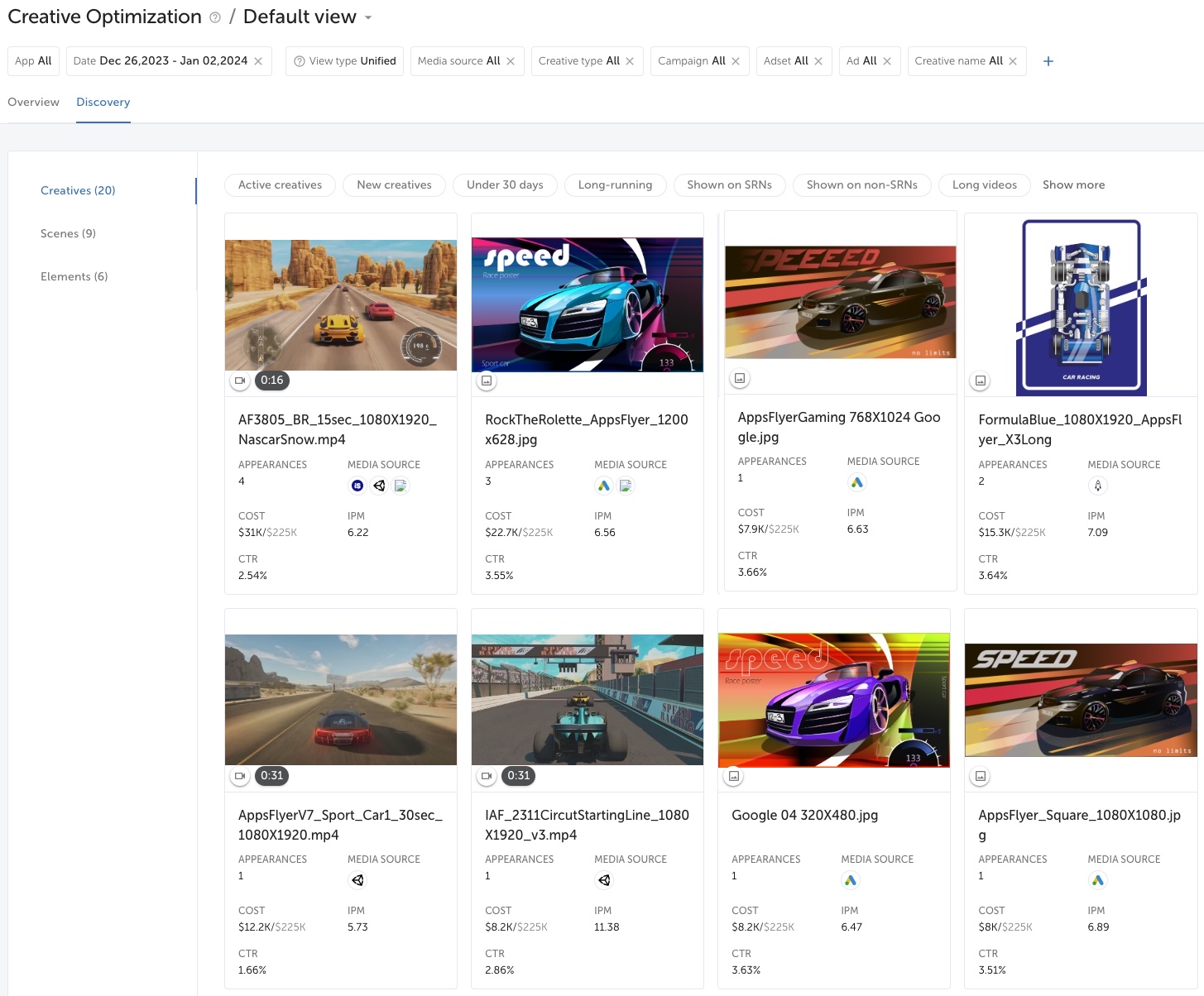
Creative library and performance metrics
Source: AppsFlyer
3. Not Understanding How Vietnamese Players Pay
Payments are not simply a technical step at the end of the user journey.
Vietnamese players have access to a range of payment methods, including domestic banking services, cards, e-wallets, and local payment solutions. If a game retains only the payment options used in its home market, purchasing items or topping up may become unnecessarily inconvenient.
For this reason, publishers need to consider not only whether players can make a payment, but also which methods they are familiar with, what price points are appropriate, and whether the payment process is fast, clear, and convenient.
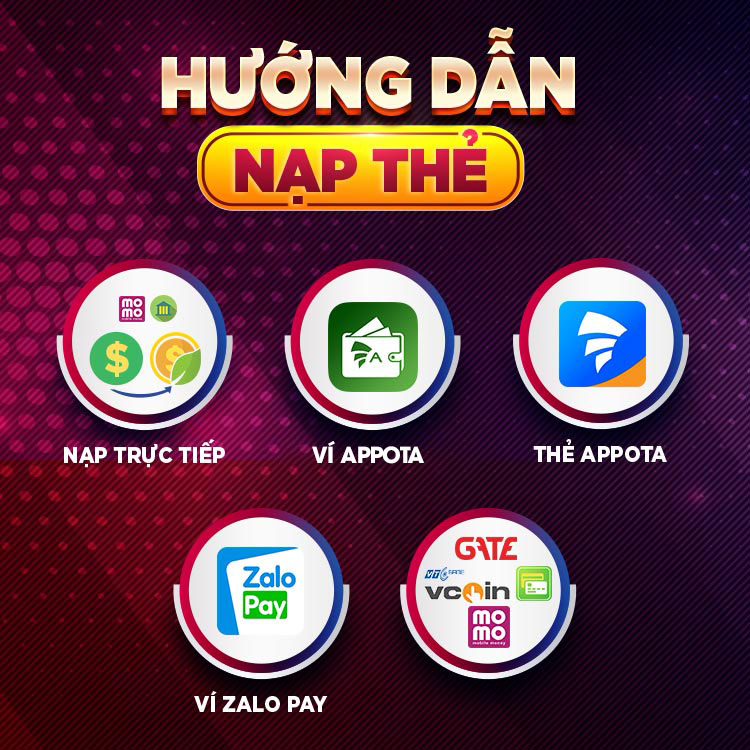
Game top-up methods
Source: Gamota
4. Waiting Until Launch to Build a Community
Community building should not wait until launch day.
For highly social genres such as MMORPGs, strategy games, and team-based competitive titles, the pre-launch period is an important opportunity to build an initial player base, generate discussion, and test market response.
An early community also gives the publishing team a chance to identify issues related to content, onboarding, player expectations, or operations before the number of users increases significantly.
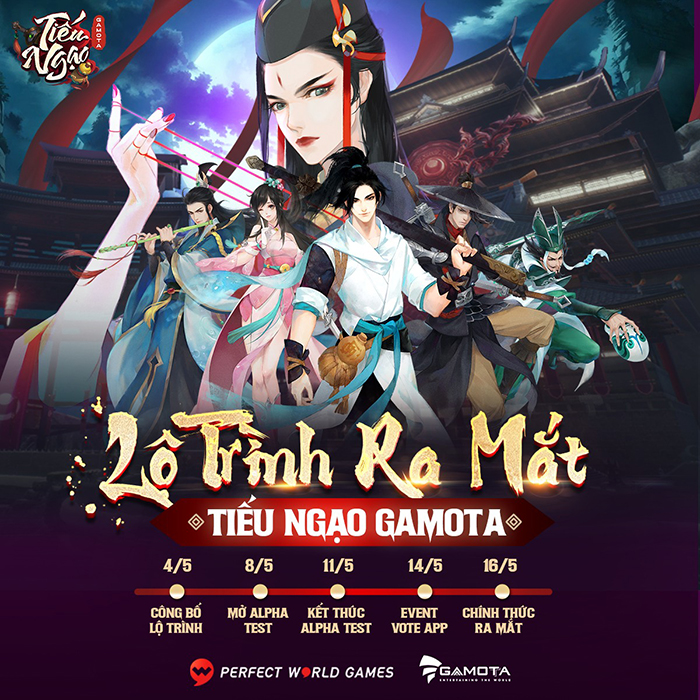
Launch and Pre-registration Roadmap for “Tieu Ngao”
Source: Gamota
5. Relying on a One-Size-Fits-All Live Operations Calendar
Using a global event calendar may help reduce operational workload, but it can also mean missing periods that are particularly relevant to Vietnamese players.
Lunar New Year, summer holidays, national holidays, and other cultural occasions can all influence playtime, engagement, and spending behavior.
This does not mean that every event needs to be developed exclusively for Vietnam. What matters is identifying when content, offers, community activities, and communication should be adjusted to better match the local market.
A localized LiveOps strategy can make a significant difference in how well a game maintains engagement after launch.
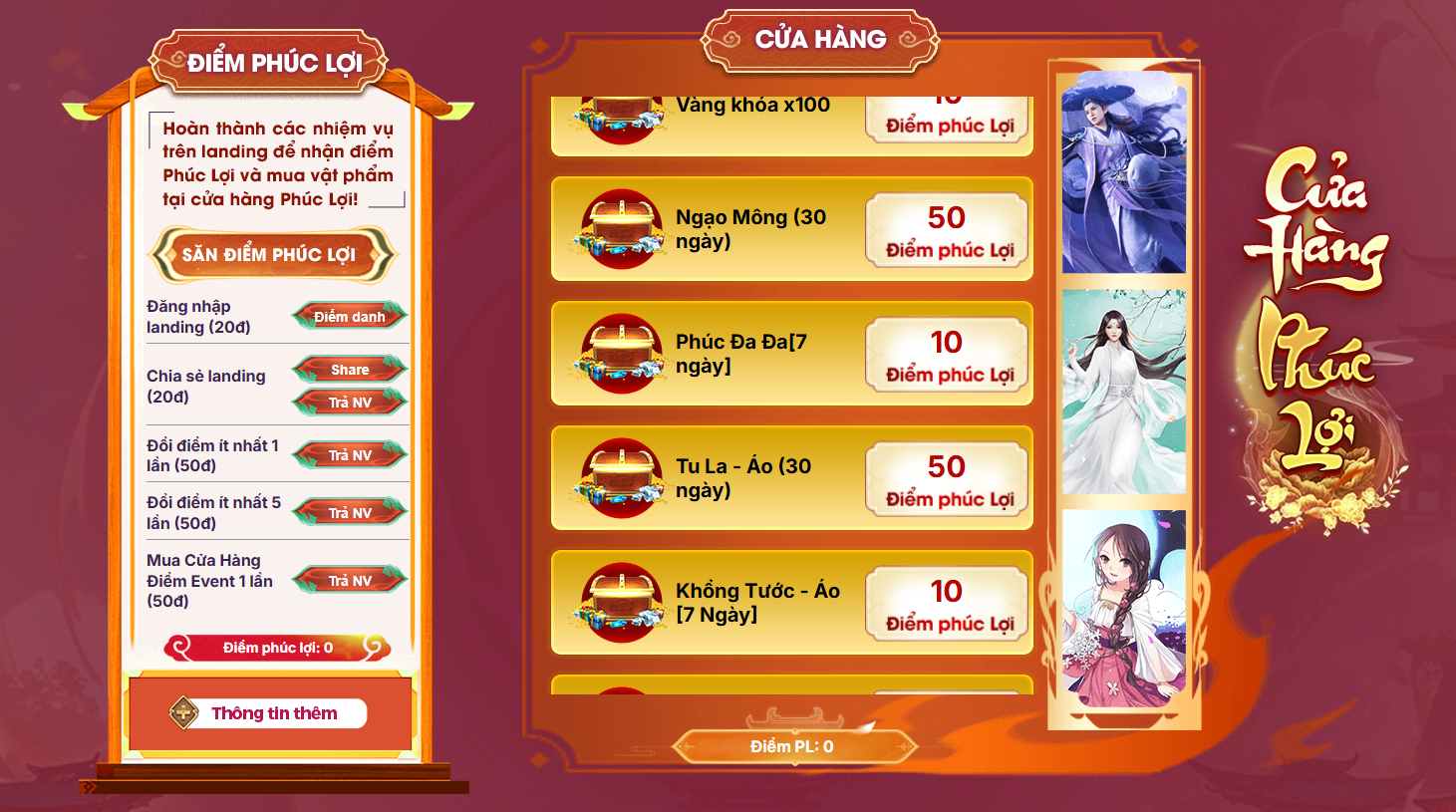
Welfare Shop in the “Tru Tien 3D” Tet event
Source: Gamota
6. Setting Up Customer Support Too Late
As the player base grows, support demand grows with it.
Account issues, payments, missing items, technical problems, and in-game disputes all require clear handling processes. If customer support operations are only set up after launch, the publisher may have to deal with a large volume of support requests and negative community reactions at the same time.
To prevent this, customer support frameworks should be put in place before launch, including FAQs, support channels, response workflows, and escalation procedures for more complex cases.
7. Underestimating Regulatory Requirements in Vietnam
Regulation is one of the factors that can directly affect a game’s launch timeline.
Launching a game in Vietnam involves more than simply publishing it on the App Store or Google Play.
Decree No. 147/2024/ND-CP, effective from December 25, 2024, sets out requirements for the provision of online games in Vietnam, including licensing procedures, age classification, player information management, and certain obligations for service providers.
Regulatory compliance must be factored into the market-entry plan from the beginning rather than addressed only when development is complete and the planned launch date is approaching.
Read Decree No. 147/2024/ND-CP
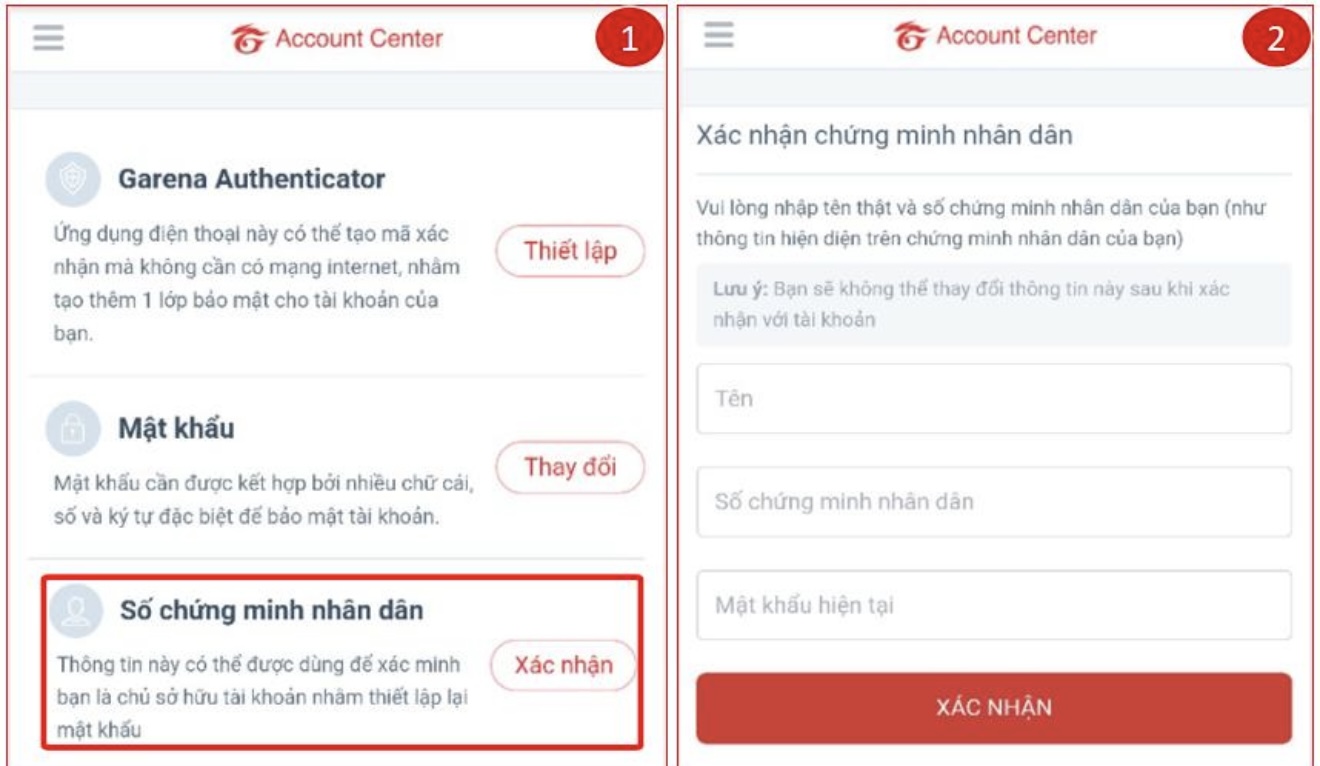
Garena requires account verification in accordance with Vietnamese law
Source: Garena Center
Succeeding in Vietnam Takes More Than a Good Game
Strong gameplay, an established brand, or a large marketing budget does not guarantee success if the approach to the Vietnamese market is not right.
Localization, user acquisition, payments, community building, LiveOps, customer support, and regulatory compliance should not be treated as separate tasks. Together, they determine whether a mobile game can build a sustainable presence in Vietnam.
With more than a decade of experience in the gaming industry, Gamota supports international game developers and publishers across multiple stages of entering the Vietnam mobile game market, including market research, localization, marketing, community management, LiveOps, payments, and game publishing in Vietnam.
For companies considering launching a mobile game in Vietnam, the Gamota team can help evaluate product-market fit, identify potential barriers, and develop a publishing strategy suited to the local market.
Contact Gamota for consultation on the Vietnam gaming market and game publishing strategy