
How much does it cost to publish a mobile game in Vietnam?
There is no fixed answer. A casual game with limited content and relatively simple operations will have a very different cost structure from an MMORPG that requires larger server capacity, an active community team and continuous content operations.
Vietnam is also not a market where publishing simply means translating a game, running ads and distributing it through Google Play or the App Store.
The country had around 54 million mobile gamers and an estimated US$825 million in mobile game revenue in 2025 [1]. At the same time, publishers need to account for Vietnam-specific requirements around licensing, local payments and community operations.
For foreign studios planning a budget, the key question is therefore not only “how much will it cost?” but also where the budget will go and which costs are most likely to vary when publishing in Vietnam.
Before Launch: Licensing and Localization Costs
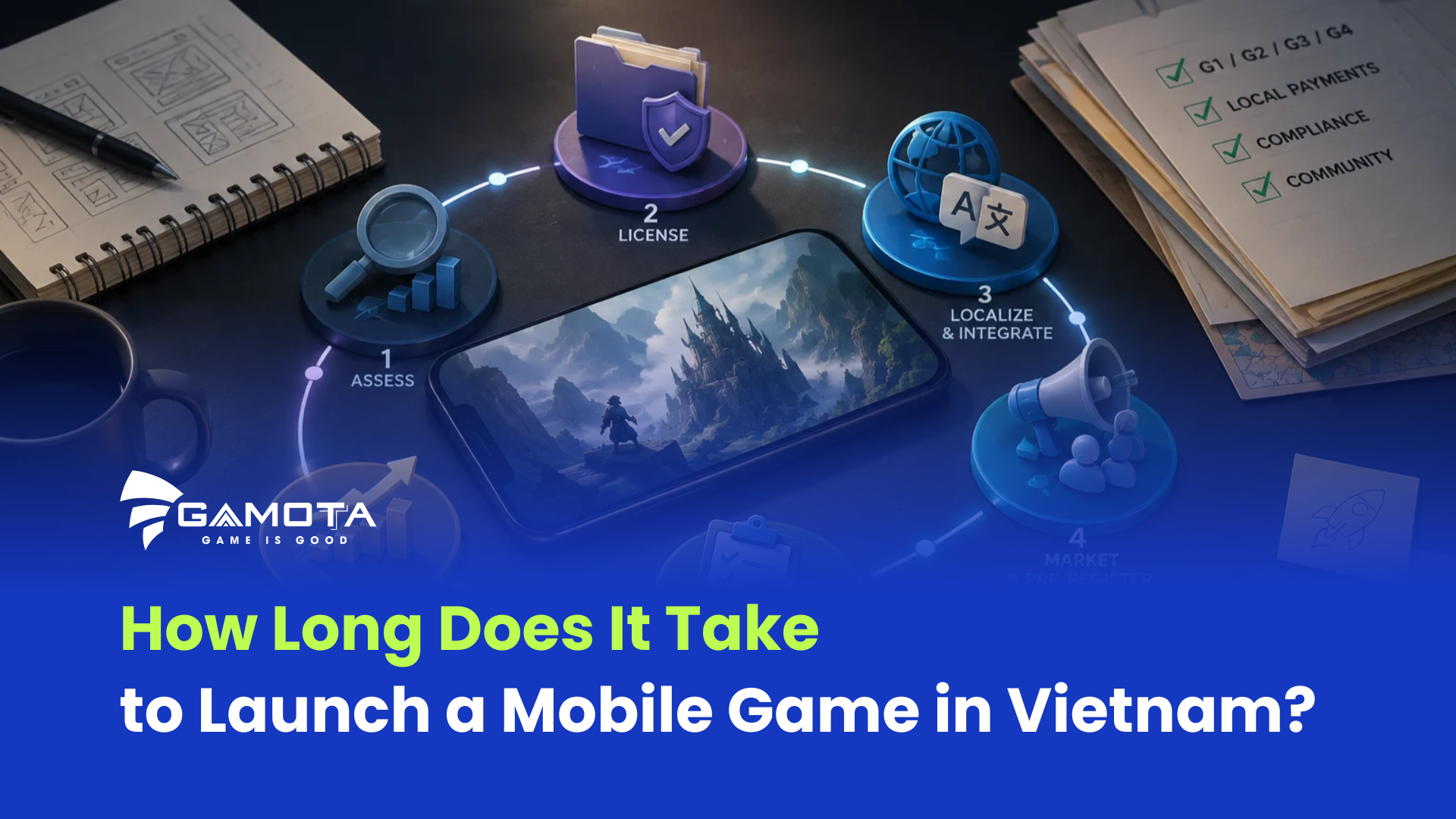
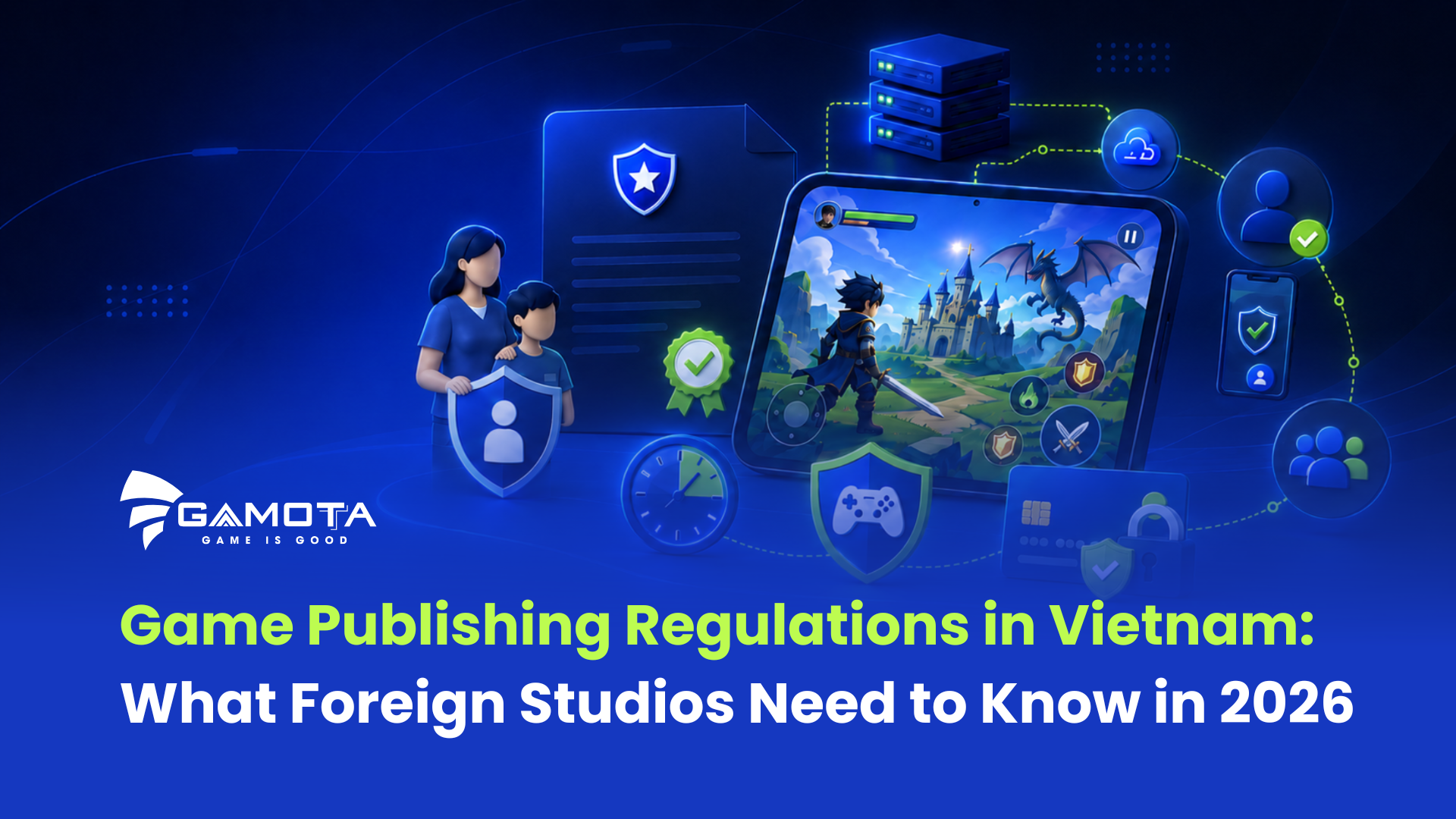
Vietnam classifies online games into four categories: G1, G2, G3 and G4, based on how players interact with each other and with game servers. Each category is subject to different publishing and licensing requirements [2].
For foreign studios, pre-launch costs may include application preparation, intellectual property and publishing-right documentation, translation and certification of documents, content review and other legal procedures required for release.
In other words, listing a game on Google Play or the App Store is not the entire process required to legally publish a game in Vietnam.
Studios can establish their own local operations or work with a game publisher in Vietnam to handle licensing and local publishing activities.
Localization should also be budgeted as more than a simple word count.
A game may require changes to its interface, item names, dialogue, visual assets, event content, app-store descriptions, customer support materials and marketing content. For RPGs, MMORPGs and strategy games with large volumes of content and frequent updates, localization remains an ongoing cost throughout the game’s lifecycle.
Payments in Vietnam Go Beyond the App Store and Google Play
Server infrastructure, data storage, security and anti-fraud systems are common publishing costs in almost every market. What deserves more attention when estimating mobile game publishing costs in Vietnam is the local payment environment.
Digital payment adoption has grown rapidly. According to Visa’s May 2024 release, which cited findings from its Consumer Payment Attitudes Study 2023, 62% of surveyed Vietnamese consumers used QR payments in 2023, up from 35% in 2021 [3].
In the same announcement, Visa highlighted partnerships with MoMo, VNPAY and Zalopay to expand digital payment options in Vietnam [3].
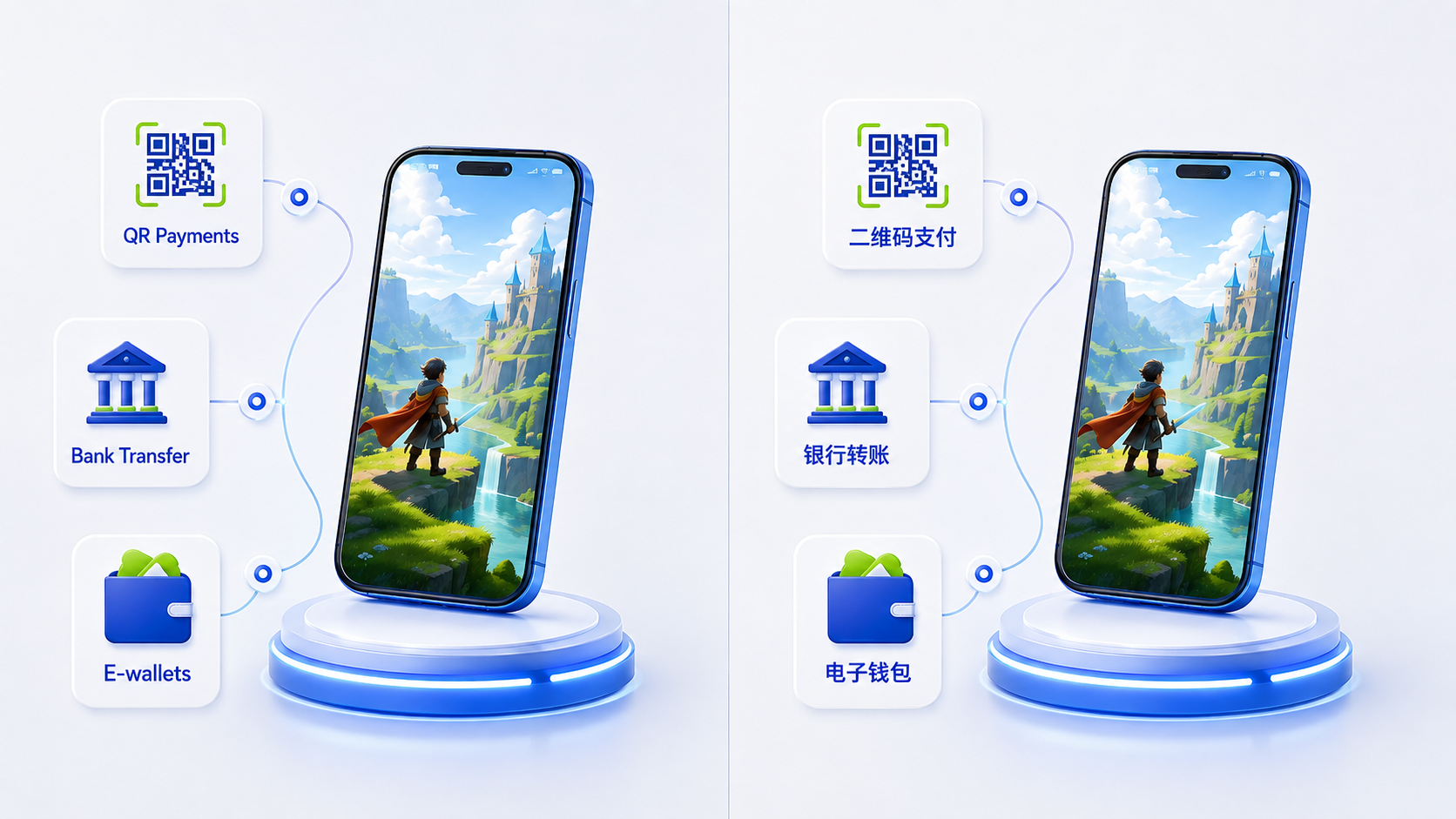
For games with in-app spending, this means studios should not build their revenue model around international cards or the two major app stores alone. Depending on the publishing model, payment systems may also need to support bank transfers, QR payments and local e-wallets.
Each additional payment channel creates integration, testing, reconciliation and operational work. On the other hand, reducing friction at the payment stage can improve the chances of converting players into paying users.
Marketing Costs in Vietnam: Advertising and Community Building
Marketing is often the most flexible part of the publishing budget.
One game may begin with a limited market test, while another, particularly an MMORPG or strategy title, may need to build a substantial player base quickly enough to create an active community during the first few weeks.
In Vietnam, marketing budgets therefore often extend beyond media buying. Studios may also need to account for social content, KOLs and streamers, PR, fanpages, community groups, events and community management staff.
The importance of community can be seen in long-running titles. According to the Vietnam GameVerse 2025 nomination profile, the OMG 3Q – VNG Facebook community had approximately 128,500 members at the time of submission. The profile also reported around 128,400 group members and an average of 50 posts per day during 2024 [4].

This does not mean every game needs to reproduce the same model. It does show, however, that in Vietnam, community can become a substantial part of publishing operations rather than simply an additional communication channel.
An established IP with an existing Vietnamese fan base may require less investment to build awareness. A completely new title, by contrast, may need to acquire players and build its community at the same time.
Research from Gamota can help studios assess genre size, downloads, revenue trends and competitive conditions before deciding how much to invest in marketing.
Publishing Costs Continue After Launch
The budget does not end when the game goes live.
Publishers still need to maintain customer support, community operations, payment systems, data analysis and ongoing content updates.
For long-running games, LiveOps can become a significant part of the cost structure. Events, new content, promotions and recurring activities are continuously used to bring players back into the game.
The more intensive the LiveOps calendar, the more resources are required for event design, visual production, localization, communications, data analysis and player support.
This is why spending most of the budget on launch day can be risky. A strong advertising campaign may bring users into the game, but keeping them there depends heavily on the product and the quality of post-launch operations.
Conclusion: There Is No Standard Price, Only the Right Budget Structure
There is no single “standard cost” for publishing every mobile game in Vietnam. What matters is how the budget is allocated across different stages, because each genre, launch strategy and growth target requires a different level of investment.
Ultimately, the cost of publishing a mobile game in Vietnam is not a fixed market-entry fee. It is the combined investment required to meet regulatory requirements, adapt the product for Vietnamese players, connect with local payment methods, build a community and operate the game after launch.
Planning a budget to publish your game in Vietnam? Talk to Gamota about publishing models, localization, technical integration, marketing and operations for the Vietnamese market.
References
[1] Gamota, Vietnam Mobile Gaming Year-in-Review 2025. The report estimates that Vietnam had approximately 54 million mobile gamers and generated US$825 million in mobile gaming revenue in 2025.
[2] Authority of Broadcasting and Electronic Information. Regulations and administrative procedures related to the classification, licensing and publication of G1, G2, G3 and G4 online games in Vietnam under Decree No. 147/2024/ND-CP.
[3] Visa, “Visa partners with leading e-wallets to enhance seamless payment experiences for Vietnamese consumers”, May 24, 2024. The release cites Visa’s Consumer Payment Attitudes Study 2023, reporting that 62% of surveyed Vietnamese consumers used QR payments, compared with 35% in 2021, and also references Visa’s partnerships with MoMo, VNPAY and Zalopay.
[4] Vietnam GameVerse 2025, nomination profile for “OMG 3Q – VNG Community” on VnExpress. The profile reported 128,500 members at the time of submission; its 2024 activity summary cited approximately 128,400 group members and an average of 50 posts per day.