
Overview
As global publishers continue expanding into emerging markets, understanding why certain titles succeed across regions becomes increasingly important. EA SPORTS FC Mobile stands out as one of the most successful football mobile games globally, combining strong IP power with live service execution and competitive gameplay loops.
This article evaluates the game from three perspectives: what it does well, where improvements remain possible, and how its design and monetization structure align with the behavioral and commercial realities of the Vietnam market.
What FC Mobile Does Well
Strong IP and Emotional Entry Barrier
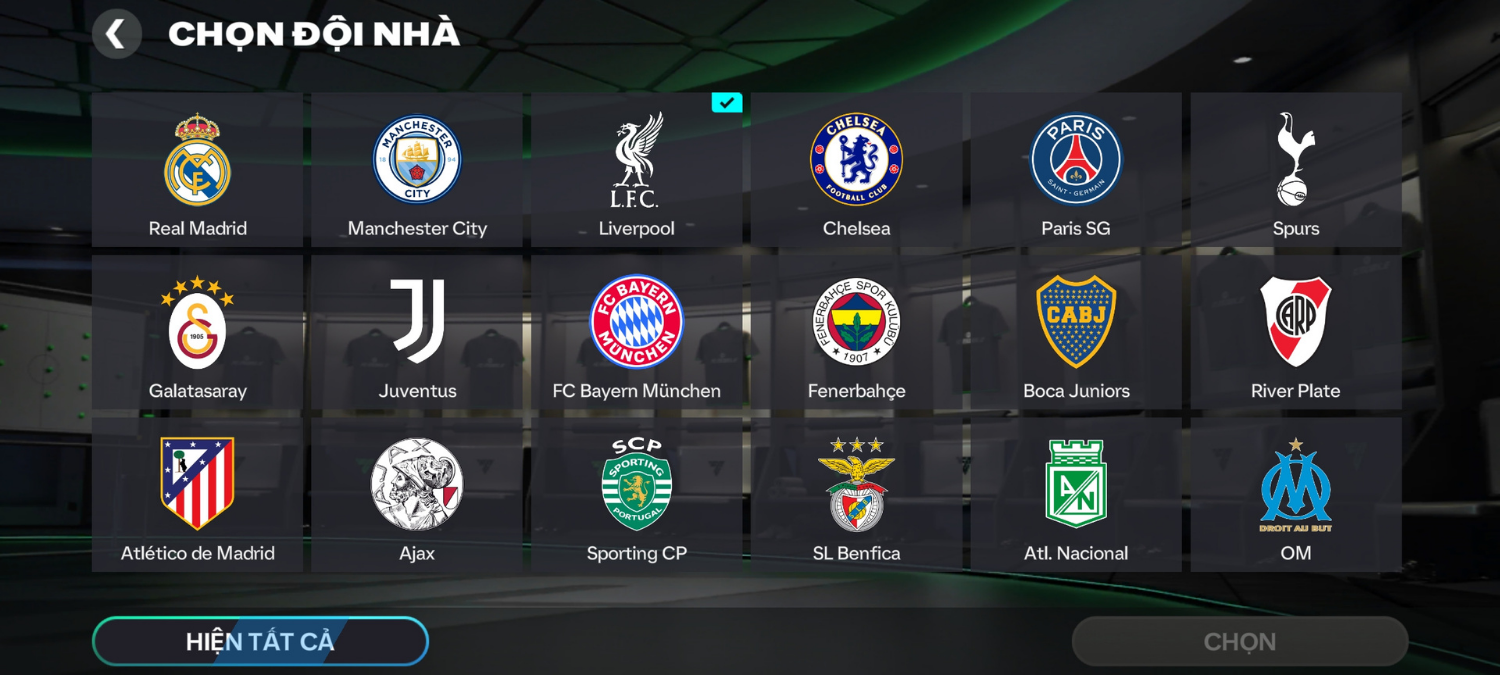
One of FC Mobile’s biggest strengths lies in the power of the football IP itself. Football is not only the world’s most popular sport but also one deeply embedded in daily culture across many regions, including Southeast Asia. The transition from FIFA branding to EA SPORTS FC has not significantly weakened the product because the core emotional driver remains intact: players are building teams featuring real-world clubs, players, and competitions.
This emotional familiarity significantly lowers onboarding friction. Players already understand objectives, roles, and progression goals without requiring extensive tutorials. From a LiveOps perspective, this allows the game to focus less on teaching mechanics and more on sustaining engagement through events and seasonal updates.
LiveOps Built Around Real-World Football Cycles
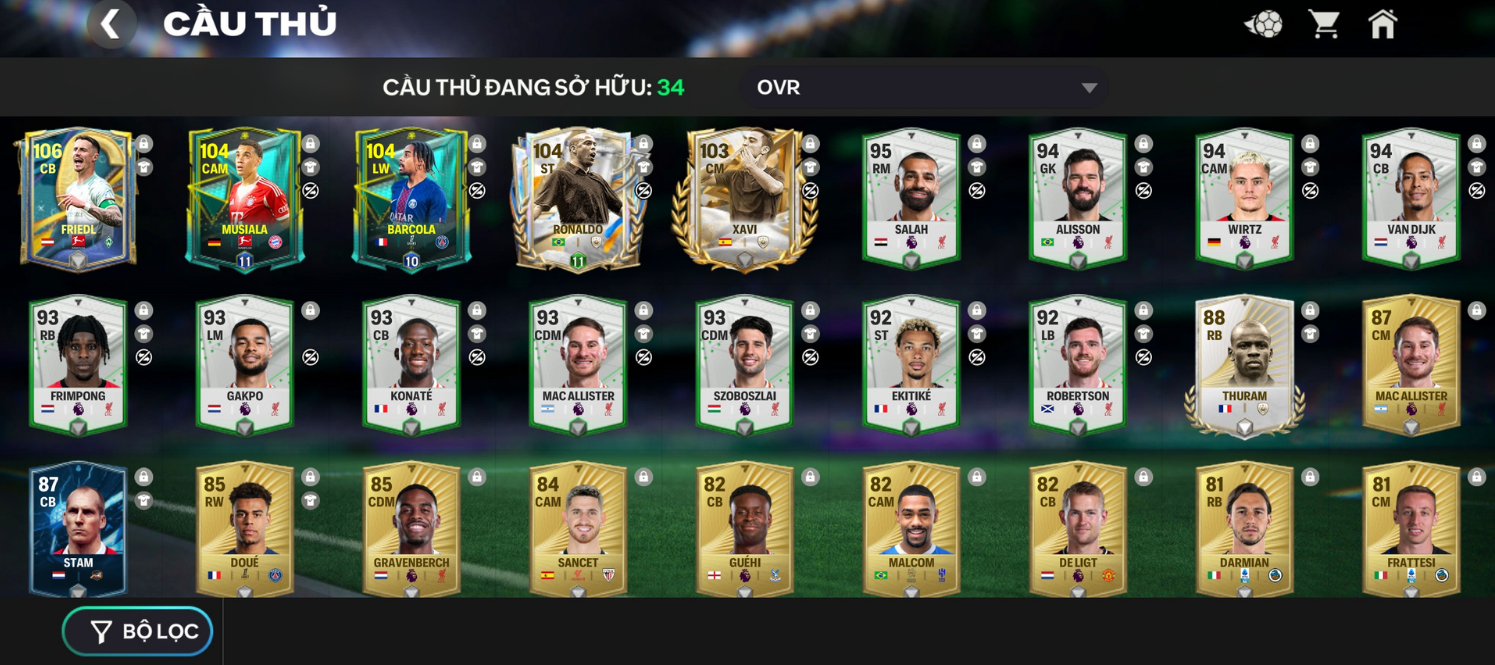
FC Mobile effectively synchronizes its LiveOps strategy with real-world football events. Seasonal tournaments, player transfers, and global competitions provide a natural content calendar that reduces the need for artificial engagement drivers.
This alignment creates recurring engagement spikes. When real-world football excitement peaks, in-game activity naturally follows. Players feel that in-game progression reflects real-world narratives, strengthening long-term retention.
Compared to many mobile titles that rely heavily on fictional seasonal themes, FC Mobile benefits from an evergreen content source. This lowers content fatigue and enables consistent LiveOps momentum throughout the year.
Clear Progression and Long-Term Goals
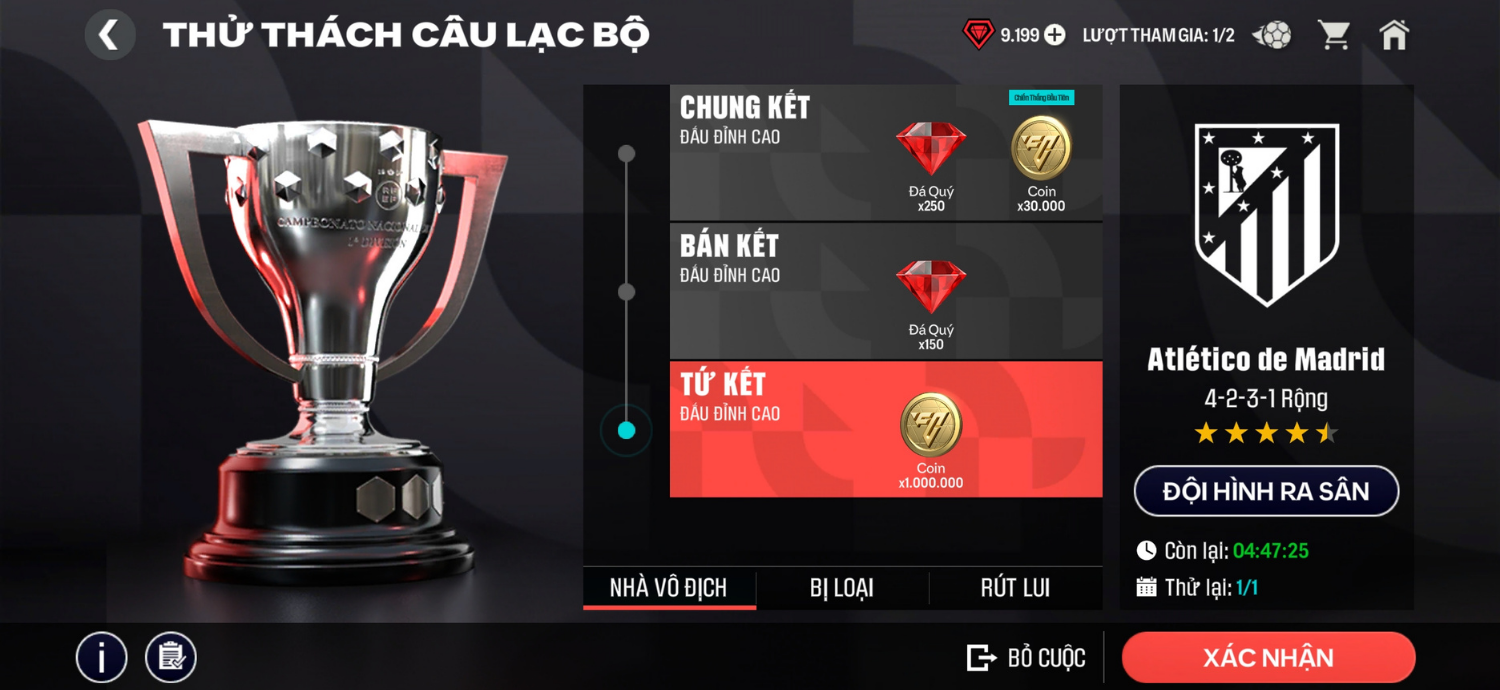
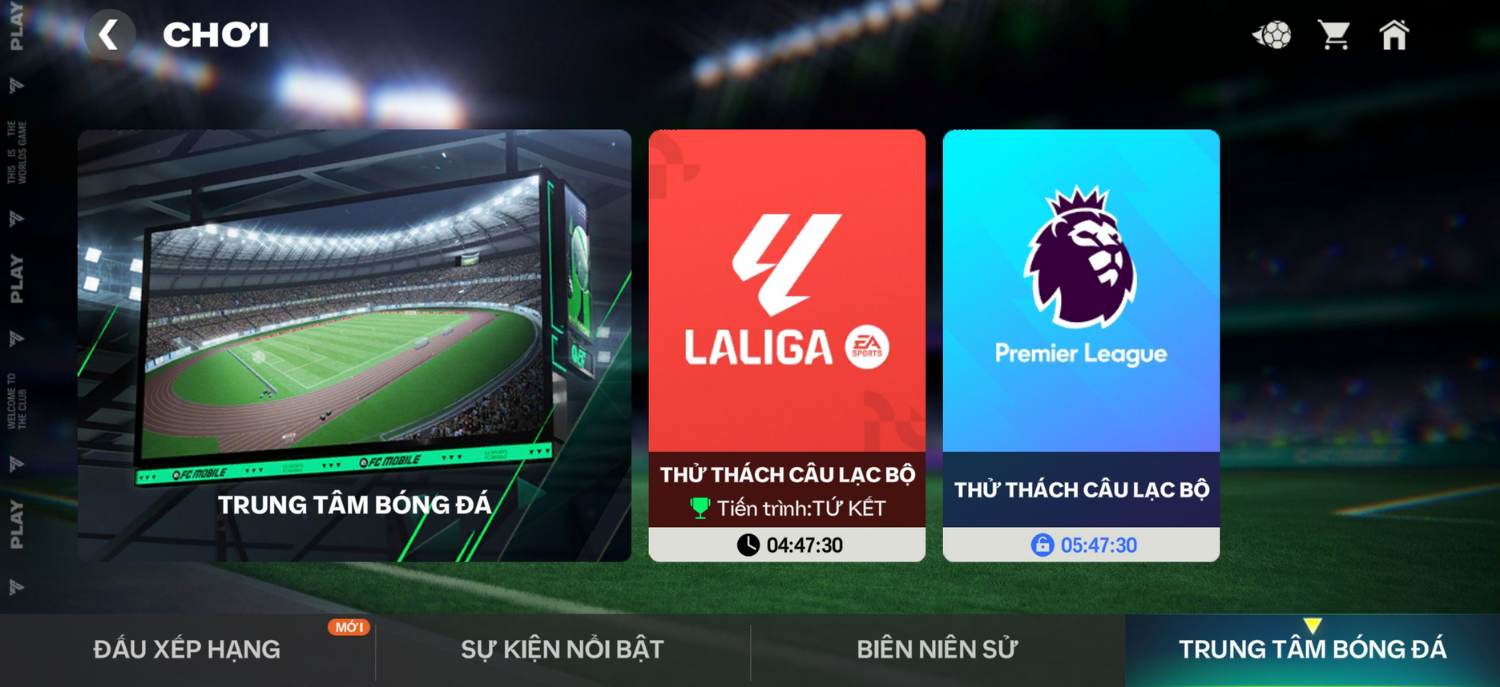
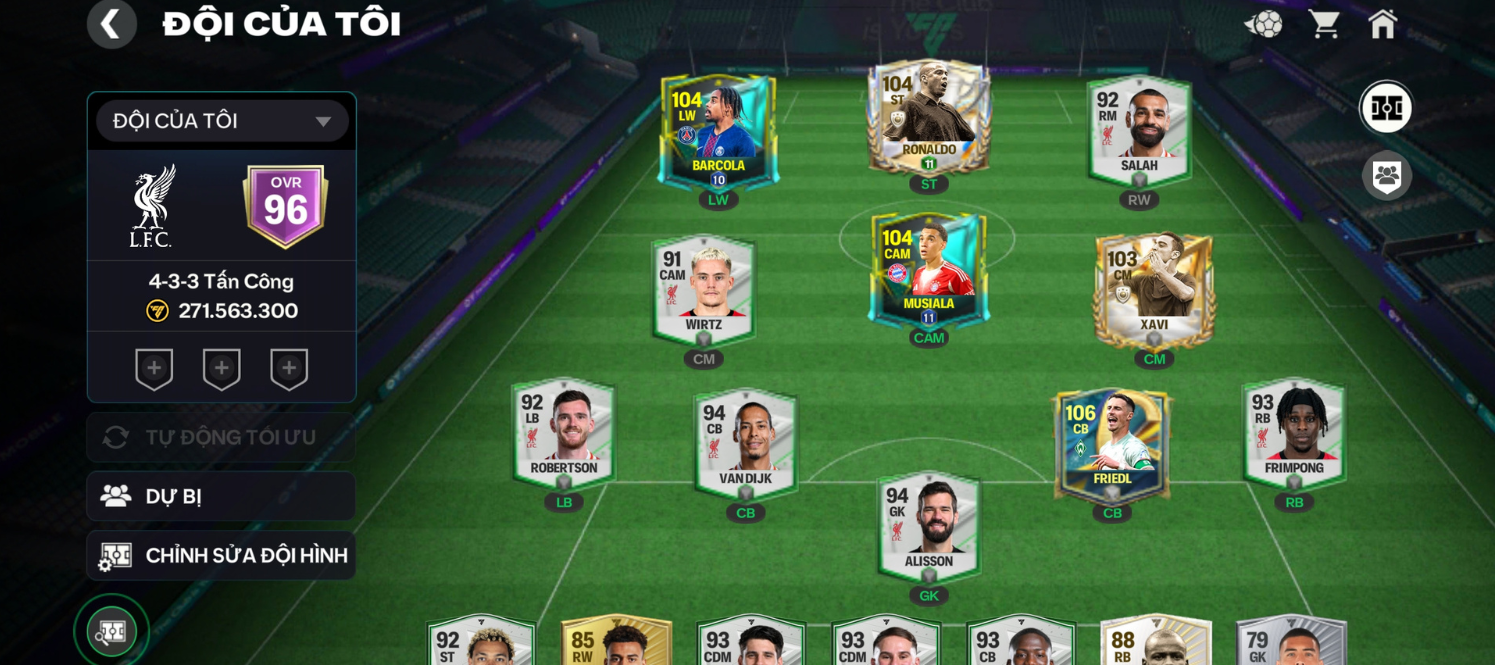
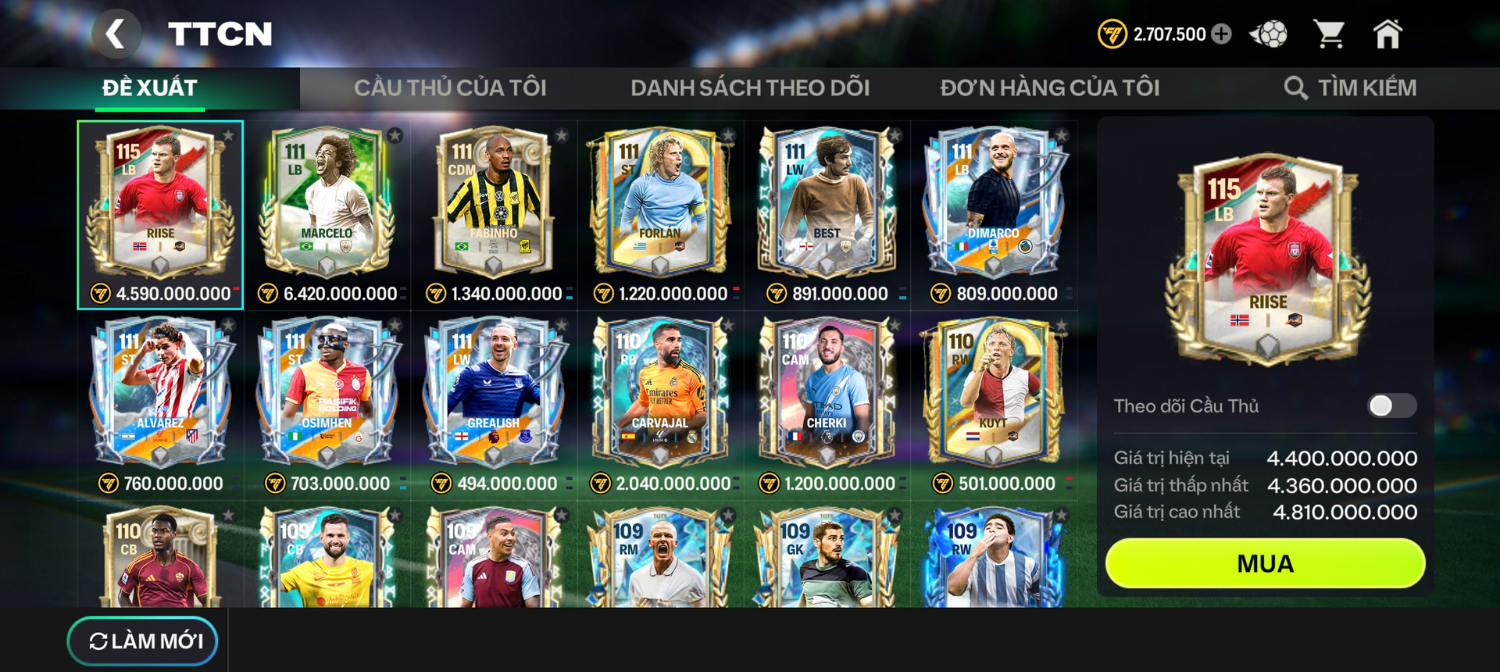
The game’s progression system provides players with multiple long-term objectives: improving team rating, collecting high-tier players, and optimizing squad composition. This layered progression structure works particularly well in sports games, where incremental upgrades feel meaningful even when gameplay sessions are short.
The presence of both short-term rewards (daily objectives, event milestones) and long-term aspirations (elite player acquisition, competitive ranking) helps maintain engagement across different player types. Casual players can progress steadily, while competitive users are incentivized to optimize continuously.
Competitive and Social Motivation
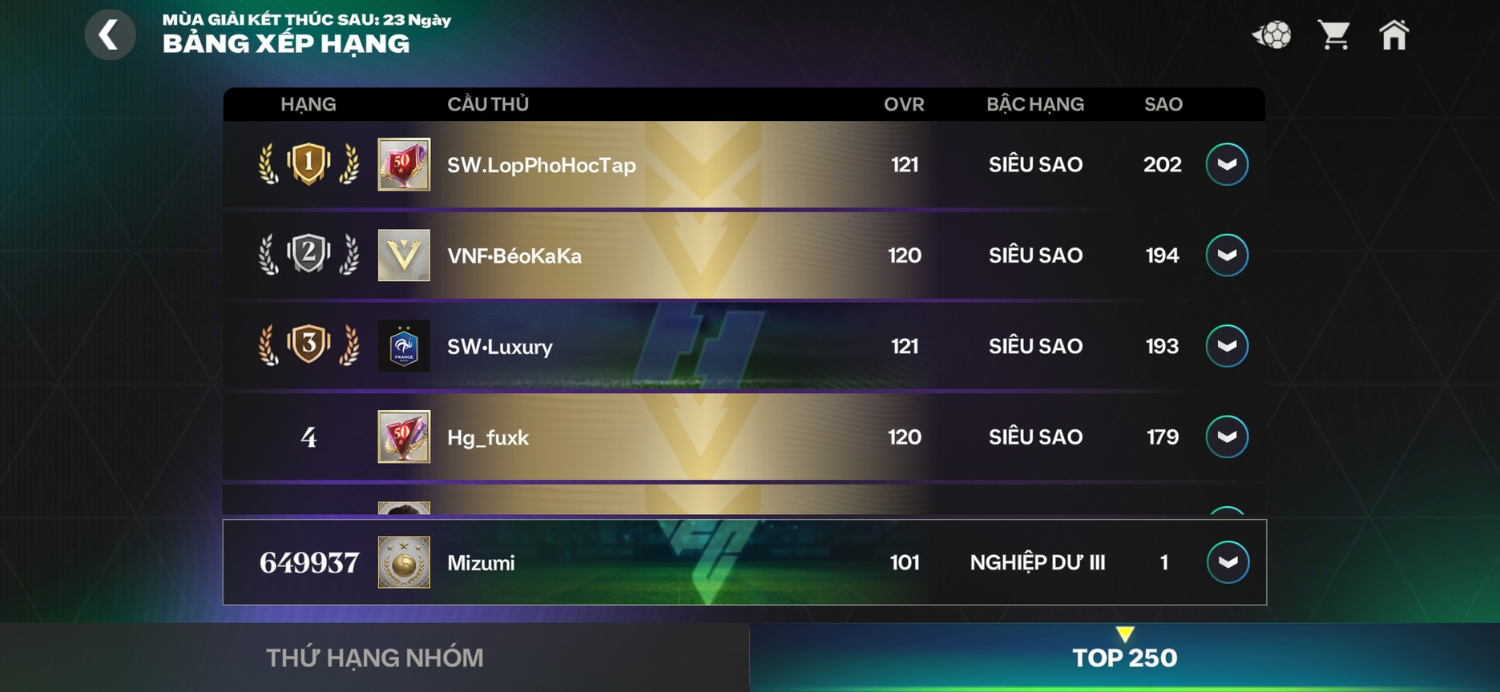
Competitive modes such as ranked matches and leaderboards play a critical role in sustaining engagement. Football games naturally support competitive comparison, and FC Mobile leverages this through visible progression and performance-based rewards.
Social motivation is especially powerful in markets where football fandom is community-driven. Players not only want stronger teams but also want to demonstrate skill and status within their peer groups. This creates organic retention drivers beyond purely economic incentives.
Areas for Improvement
Monetization Perception and Power Gap
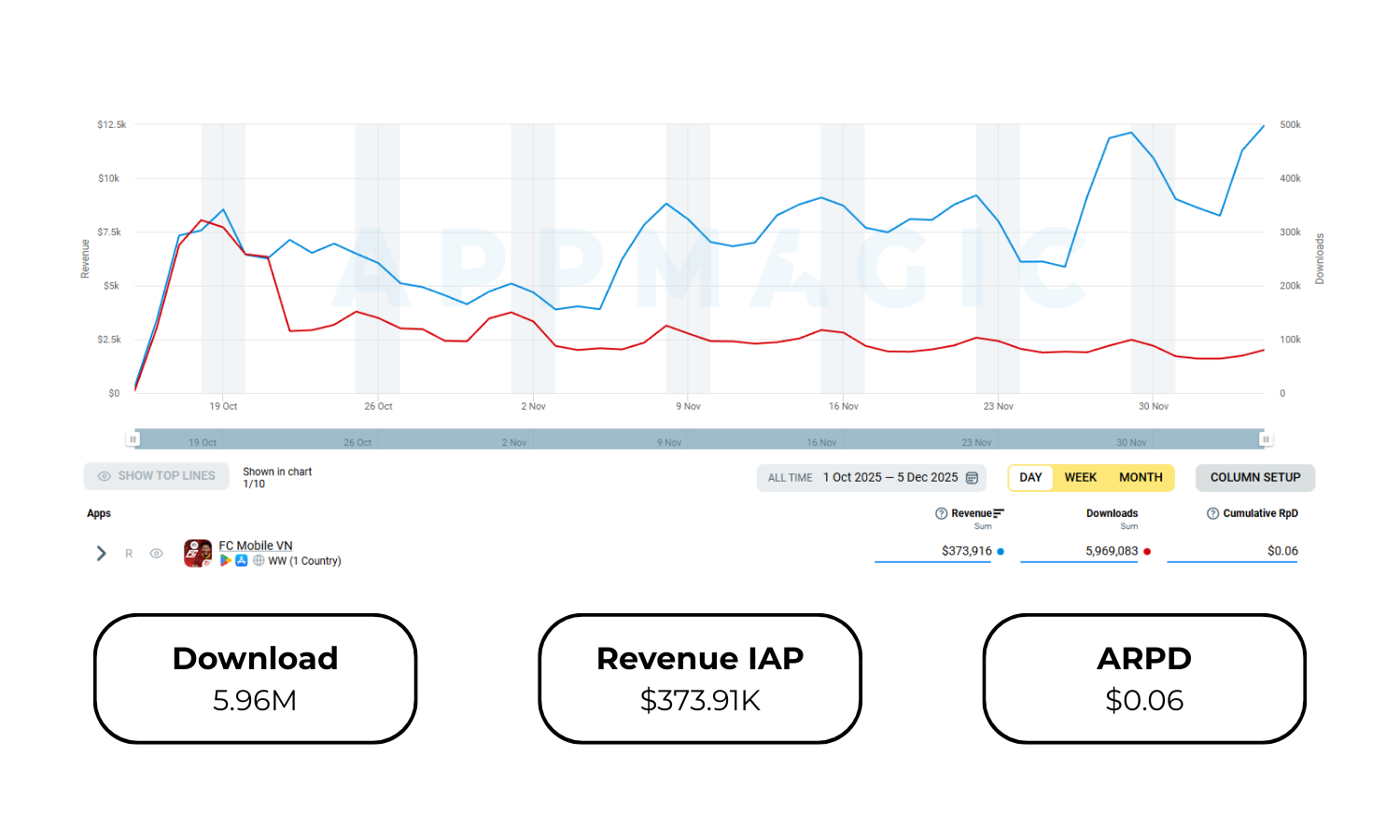
While FC Mobile maintains strong monetization performance globally, the perception of fairness remains a recurring challenge. The gap between paying and non-paying players can sometimes feel too steep, particularly when high-rated players significantly affect competitive outcomes.
In markets with high price sensitivity, this may lead to early churn among mid-spending or free players who perceive progression as overly dependent on purchases. Sustainable LTV growth typically relies on maintaining a sense of achievable progress even without heavy spending.
Balancing monetization with perceived fairness remains critical, especially in competitive genres where performance directly affects player satisfaction.
Event Complexity and Cognitive Load
As LiveOps cycles accumulate over time, event structures can become increasingly complex. Multiple overlapping currencies, upgrade systems, and event rules may create cognitive overload for newer or returning players.
When players need to invest significant effort simply to understand optimal progression paths, engagement can decline despite the presence of abundant content. Simplifying event communication and reducing system friction could improve accessibility without reducing depth.
Gameplay Session Length vs Mobile Behavior
Football matches inherently require longer session times compared to hyper-casual or idle genres. While this suits core players, it may limit accessibility for users seeking shorter, more flexible mobile sessions.
In mobile-first markets, session flexibility often correlates with retention. Expanding shorter gameplay formats or faster progression loops could help capture broader audience segments without diluting competitive integrity.
Fit with the Vietnam Market
Strong Cultural Alignment
Vietnam is one of the most football-engaged markets in Southeast Asia. Major international tournaments consistently drive large online engagement, and football fandom spans across age groups. This cultural alignment gives FC Mobile a natural advantage compared to genres requiring new behavioral adoption.
The aspiration to build a “dream team” resonates strongly with Vietnamese players, particularly younger audiences familiar with European leagues and global football stars.
Mobile-First Consumption Behavior
Vietnam’s gaming ecosystem is heavily mobile-driven, making FC Mobile’s platform choice well aligned with local consumption habits. Players are accustomed to daily login patterns and event-based engagement, both of which match FC Mobile’s LiveOps structure.
However, local player behavior also tends toward value sensitivity. Players respond strongly to perceived efficiency — maximizing rewards relative to time or spending. Systems that feel overly grind-heavy or monetization-heavy may face resistance compared to markets with higher ARPU tolerance.
Competitive and Community Dynamics
Vietnamese players show strong engagement in competitive and social environments, particularly when ranking or achievement visibility is involved. FC Mobile’s competitive modes therefore align well with local behavioral patterns.
Community-driven engagement, including discussions around team building, tactics, and player optimization, further strengthens organic retention. This suggests that social features and competitive visibility are key drivers for long-term success in the market.
Opportunity for Localization in LiveOps
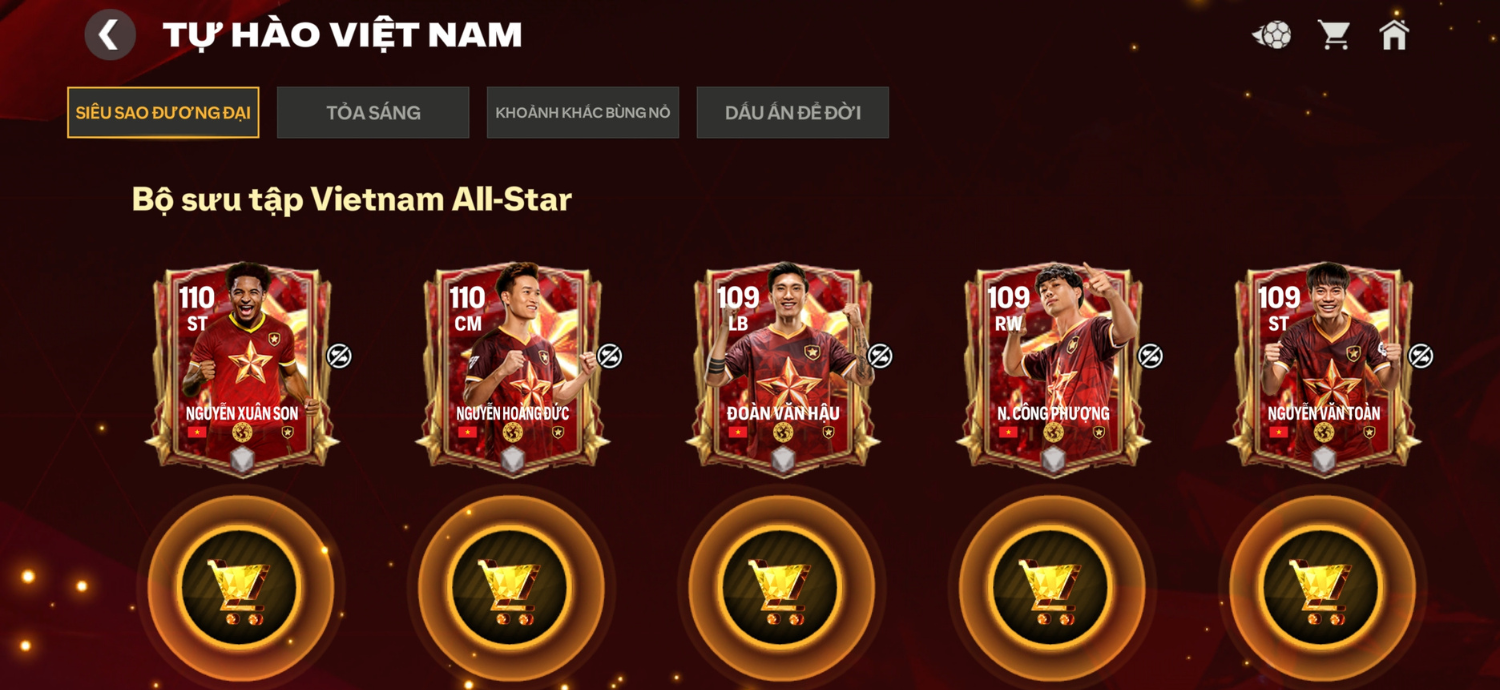
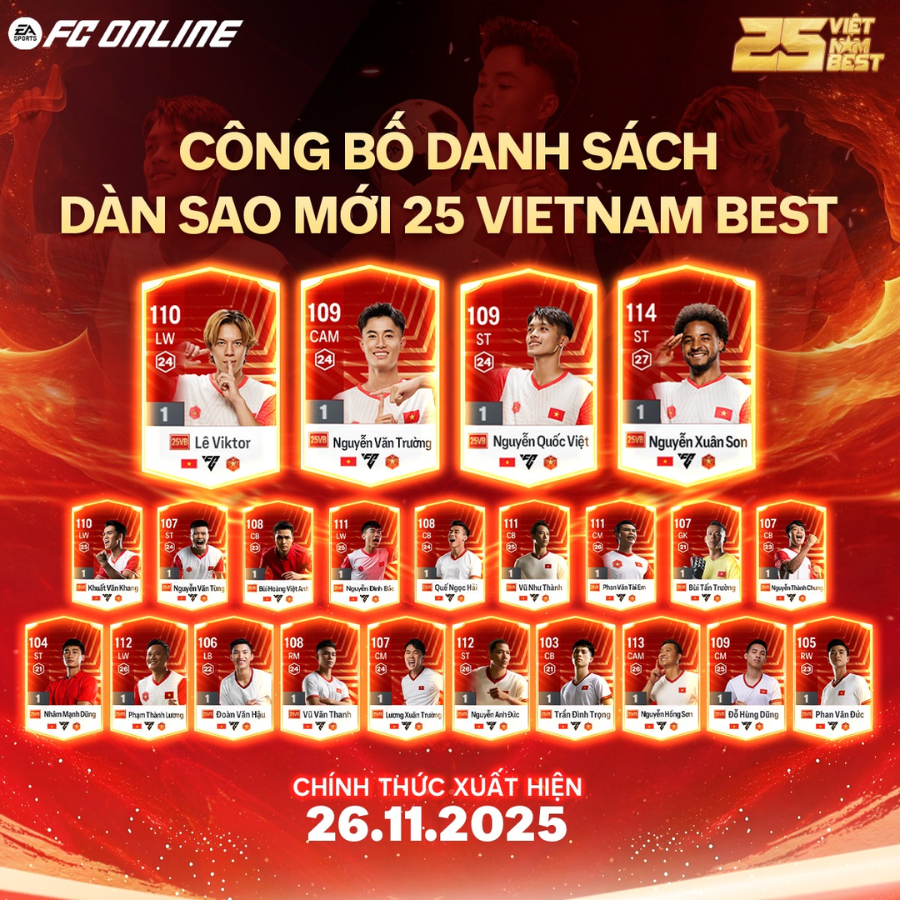
While the global football calendar provides strong baseline engagement, localized LiveOps tied to regional football moments or community-driven events could further strengthen market fit. Vietnam-specific campaigns or culturally relevant events could increase emotional connection and event participation rates.
Conclusion
FC Mobile demonstrates how a globally successful sports title can sustain long-term engagement through strong IP integration, structured progression, and real-world-aligned LiveOps. Its success is not driven by a single feature, but by the combination of emotional familiarity, competitive motivation, and consistent content cadence.
At the same time, opportunities remain in balancing monetization perception, simplifying event complexity, and adapting session structures for mobile-first behaviors. These adjustments become especially important in markets like Vietnam, where engagement potential is high but value sensitivity and accessibility strongly influence retention.
For global studios evaluating expansion strategies, FC Mobile illustrates an important lesson: market success is not only about product strength, but about how well behavioral design and LiveOps execution align with local player expectations. When global design meets local behavior effectively, sustainable LTV growth follows.
For more in-depth analyses of top-performing titles and market trends, access the full Vietnam Mobile Gaming Year-in-Review by Gamota.