

The mobile game market is always fiercely competitive, especially regarding the fantasy theme, which has been highly popular with RPG and strategy products since the early days. However, using those familiar elements, Might & Magic: Era of Chaos has emerged as one of the most successful fantasy-themed games in the Tactical RPG genre. The game achieved just over 3 million downloads in its lifetime but generated a staggering 42 million dollars in revenue.
So, how did this game implement its fantasy elements, and is it a strategy worth learning from for other titles? Let us explore this in Gamota’s analysis.
Product Positioning in the Market
Might & Magic: Era of Chaos chose a relatively niche path by positioning itself as a Tactical RPG. Instead of targeting the mass market with an accessible cartoonish visual style, the product focuses on core gamers with traditional fantasy graphics.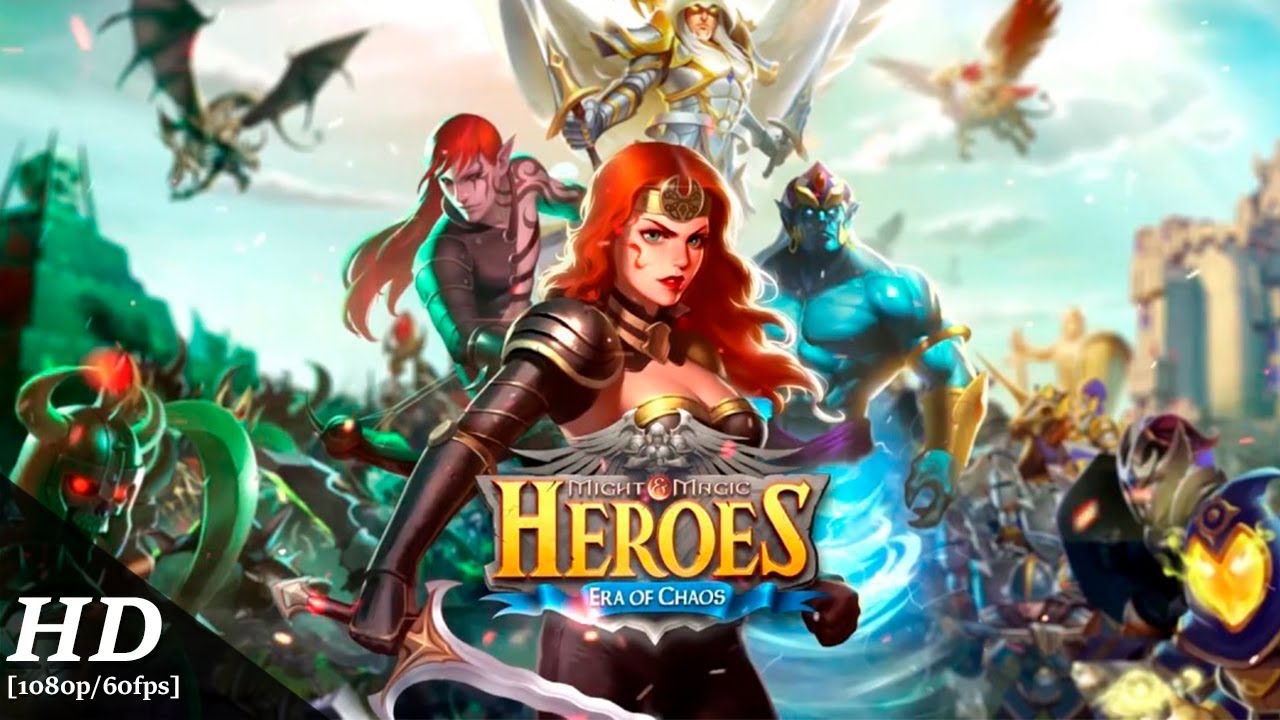
-
Target Market: The game generates revenue primarily in Western countries. The US accounts for 35 percent, Germany for 8 percent, and France for 6 percent. This stems from the fact that European and American players have been familiar with tabletop culture since the 1970s, which serves as the main inspiration for this game
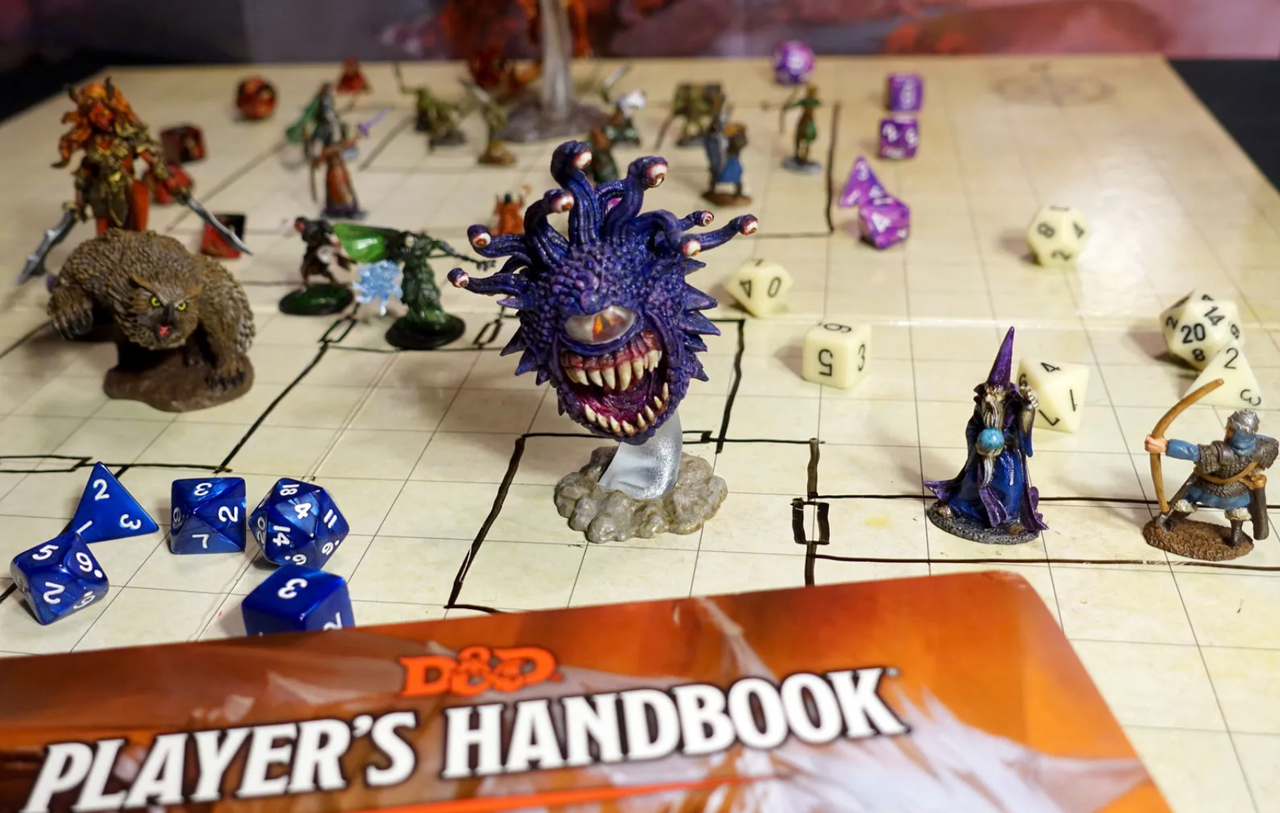 Player Retention Rate: This art style can drive initial User Acquisition (UA) costs quite high because it is difficult to appeal to the broader public. However, those who do join tend to stick around for a long time because the game meets their exact expectations. The 30-day retention rate of this title reached 8.3 percent, significantly higher than the 3.0 percent rate typically seen in lighter fantasy games.
Advertising and Visual Strategy
The biggest highlight in the advertising campaigns of this game is the progression of military power.
-
Character Design: Characters representing races like dragons, elves, or demons are designed to bring a sense of power and strength to the owner, rather than focusing on highly unique physical appearances.
-
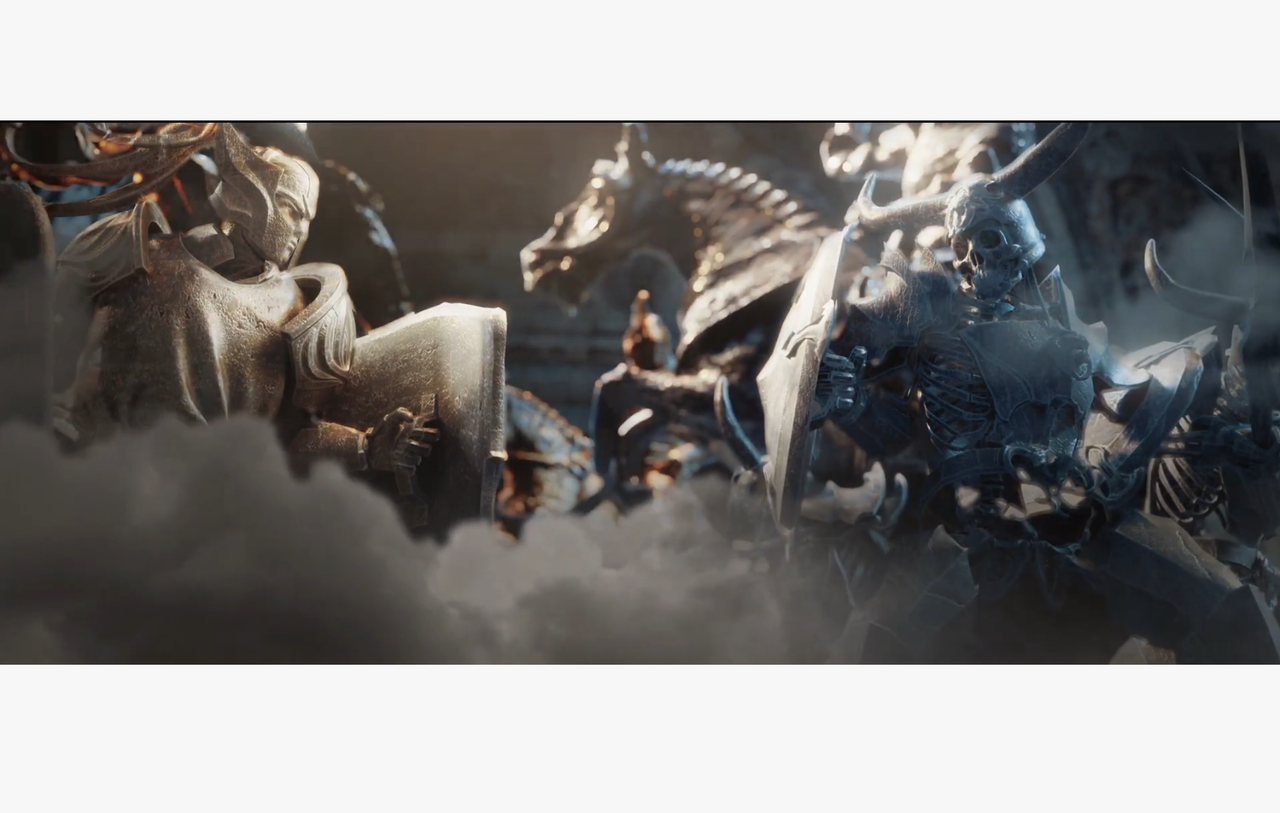
Use of CGI Videos: Might & Magic is a prominent franchise, and using CGI for promotion plays a crucial role in increasing the brand awareness of this title. The total duration of promotional videos dedicates about 80 percent of the time to epic CGI cinematics and only 20 percent to actual gameplay footage. Utilizing familiar figures like knights, mages, elves, dragons, and the undead helps viewers instantly understand the setting without much explanation, thereby saving on advertising costs.
 Limitations: The heavy use of CGI makes it difficult for new players to understand exactly what kind of gameplay this title offers. The emotional appeal of the CGI is geared more towards players already familiar with the Might & Magic IP. These are players who already understand the game and need to be reminded of the classic fantasy feeling from the original series.
App Store Optimization and Scalability
When users view the game information on the app store, the graphical presentation of Might & Magic: Era of Chaos reveals some weaknesses compared to its competitors.
-
Store Presentation: The game is not heavily optimized in using either images or text to convey its content. The imagery focuses only on listing characters and factions without conveying what the actual in-game experience feels like. Meanwhile, other games like Summoners War or RAID: Shadow Legends do an excellent job of using images to help players visualize the progression system or epic boss fights.
 Scalability: The fantasy theme makes it easy for the game to develop new champions and skins during live operations. However, the fantasy element here acts merely as an outer shell, failing to build a world with depth or a compelling storyline. Consequently, the organic content generated by the game’s community lacks sustainability and relies heavily on collaboration events or other promotional campaigns.
Key Takeaways from the Implementation Strategy
From the case of Might & Magic: Era of Chaos, it is evident that a traditional fantasy theme is not a guaranteed formula for success. It must be implemented skillfully to make players feel they can commit for the long term. The game maintains its player base primarily thanks to its long-standing franchise and the loyal customer demographic that has followed the entire series.
For games using the fantasy theme as their core foundation, advertisements and App Store Optimization (ASO) visuals must clearly demonstrate what kind of fantasy experience the game delivers to the user. Simply listing features is no longer effective because the mechanical systems of many games are becoming increasingly similar. If the direction is to build the fantasy element as a living world, the game needs to invest thoroughly in storytelling to create a sustainable connection with the community.

Looking at practical implementation in the Vietnamese market, the success of MU: Blood Blade – a project co-published by Gamota – serves as the clearest evidence of successfully executing this strategy. Possessing the official IP license from Webzen, the game held a significant brand advantage.
However, instead of relying solely on the IP’s reputation or merely listing dry MMORPG features, Gamota focused on solving the core challenge: fully conveying the essence of the MU world through marketing creatives and Store Page visuals.
The advertising campaigns were meticulously tailored to strongly evoke the experiences craved by the veteran player base. The results were highly impressive, generating over 636,500 downloads exclusively from the Vietnamese market and maintaining an average of 58,000 Daily Active Users (DAU) in February 2026.
It is evident that when visual messaging accurately portrays the experiences expected by users, combined with the power of a long-standing IP, a game can not only attract a massive number of downloads but also retain players long-term within its fantasy world