
A sustainable live operations strategy is not just about adding more events or features – it’s about designing for human behavior. Top-performing games tap into players’ psychological drivers (urgency, progress, status, etc.) to boost engagement and spending.
By stacking these behavioral levers – rather than simply filling the calendar, studios can drive higher retention and monetization over the long run. Below, Quang Pham, Head of Publishing at Gamota, shares eight key psychological principles that effective LiveOps teams use to scale LTV in games worldwide (including Vietnam). Each principle is defined, explained, and illustrated with game examples.
Parkinson’s Law – Create Urgency Through Deadlines
Definition: Parkinson’s Law famously states that “work expands so as to fill the time available” [1]. In practice, without deadlines people procrastinate or lose focus. In games, time-limited events offer force action by shrinking the available time. When players know a special event or reward is only available for a short window, they concentrate efforts and spend it to avoid missing out.
Application: Limited-time in-game challenges and countdown timers generate urgency that spurs logins and purchases [2]. Daily login streaks or holiday events harness this effect: players feel a clock ticking, so they rush to complete tasks and often buy boosts to keep up.
Usage Tip: Launch events with clear start/end dates and countdowns. Highlight time-limited offers and reset timers. These tactics compress player attention and spending into shorter windows.
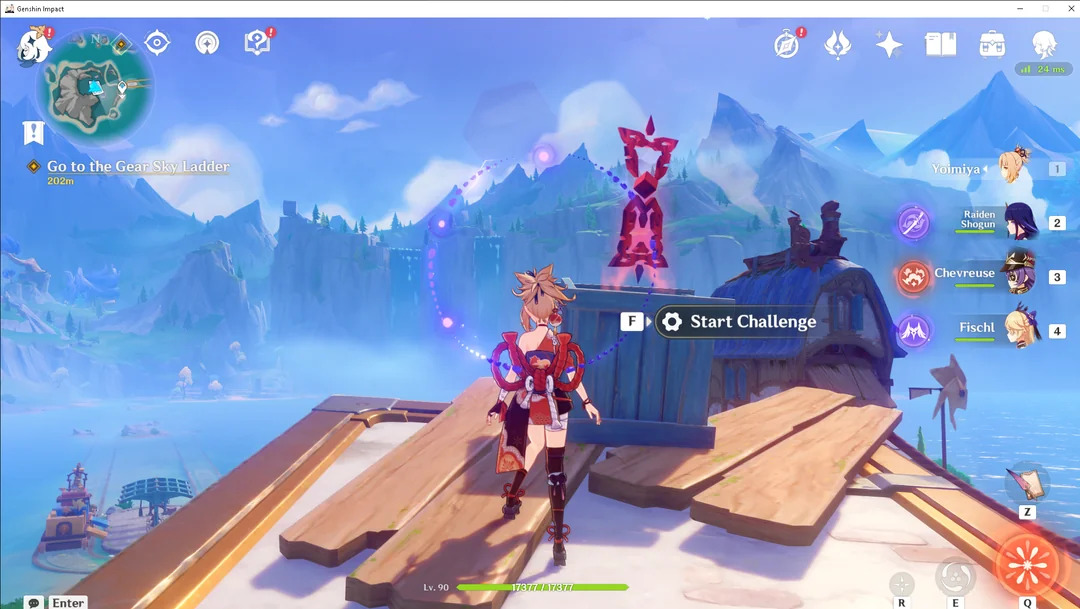
Countdown timers in timed challenge events (e.g., Genshin Impact)
Skinner Box (Variable Rewards) – Uncertainty Builds Habit
Definition: The Skinner Box is a behaviorist concept where actions are shaped by rewards on a schedule. In a variable ratio schedule, rewards come unpredictably (e.g. random drops), which is extremely effective at reinforcing behavior [3]. Uncertain rewards create anticipation and excitement: players never know when the next valuable loot or bonus will appear, so they keep playing. This intermittent reward mechanism is a cornerstone of modern games.
Application: Implement variable rewards like gacha pulls, loot boxes, or surprise bonus drops. For instance, a game might give a rare item at random after killing monsters or opening chests. Because each attempt might yield a big prize, players form a habit of “just one more try.” Game designers widely recognize that variable rewards produce high playtime and retention in free-to-play systems. In mobile RPGs and MMOs, random loot drops and mystery crates keep players coming back session after session, hoping for that jackpot drop [4].
Usage Tip: Use lottery-style mechanics or surprise bonuses instead of only fixed rewards. For example, a daily login might occasionally grant an extra rare item, or finishing a level could randomly drop a bonus. These randomized rewards tap into players’ desire to chase wins.
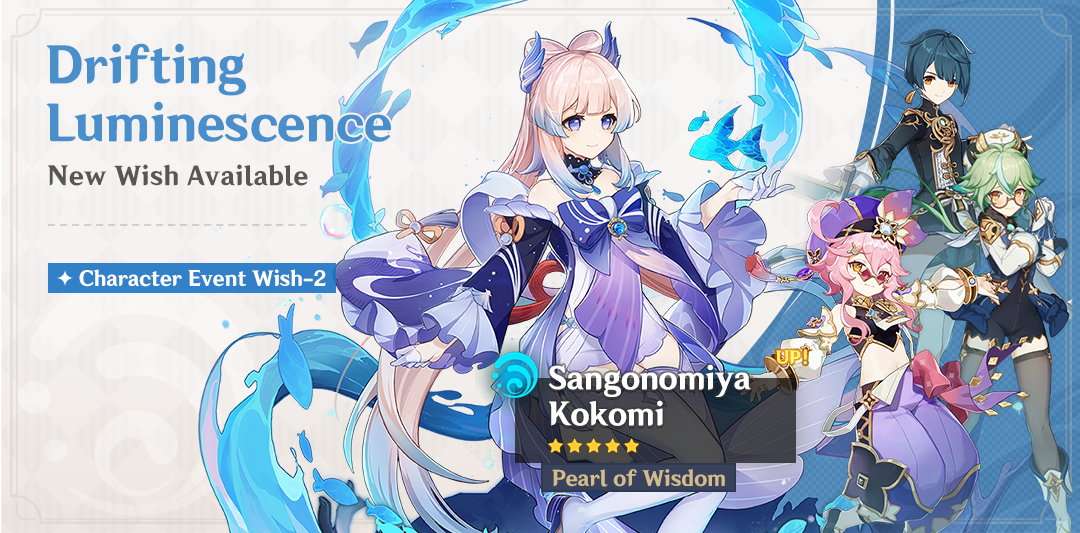
Gacha pull interfaces and mechanics (e.g., Genshin Impact)
Loss Aversion – Fear of Losing > Joy of Gaining
Definition: Loss aversion (from Kahneman & Tversky’s prospect theory) means people feel losses more intensely than equivalent gains [5]. In other words, losing something hurts more than gaining the same thing feels good. Games exploit this by making players feel they might lose progress or rewards if they don’t act.
Application: Structure events and purchases so that inaction feels like a loss. For example, offer “save your progress” bonuses (e.g. buy a pack to avoid rank decay) or expiring items that vanish after the event. Players will pay simply to avoid losing out on something they’ve earned or could earn. Behavioral analyses of freemium games show that monetization systems frequently leverage loss aversion by framing purchases as protection against lost progress or missed rewards [6]. Limited-time bundles or missing out mechanics exploit this bias: if a player sees a powerful weapon that will disappear at midnight, the fear of missing it drives purchase much more than the joy of gaining a new item.
Usage Tip: Frame offers around what the player will lose if they don’t buy. Common tactics include day-one bonuses (start with bonus loot to lock in progress) and ultimatum offers (complete the set or never see it again). These play on loss aversion by making players want to avoid regret.
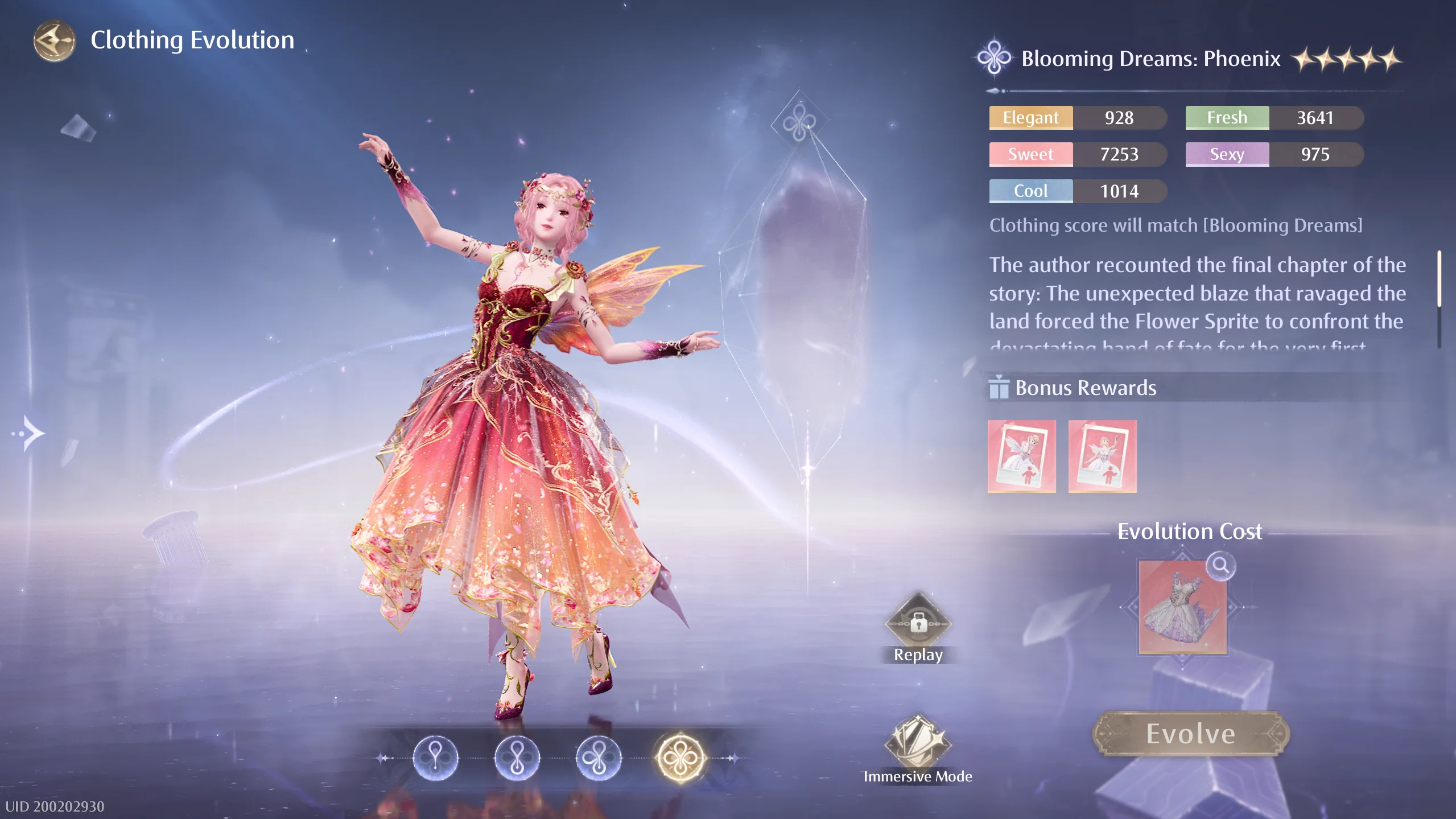
Limited-time bundle banners nearing expiration (e.g., Infinity Nikki)
Endowed Progress Effect – Starting is Everything
Definition: The Endowed Progress Effect says that giving people a small head start toward a goal makes them more likely to finish it [7]. Even illusory progress can motivate continued effort.
Application: Games often apply this by crediting players with initial progress. A classic example is a Battle Pass that immediately grants a few unlocked tiers or a “buy X, get Y free” deal. Because players feel they’ve already begun, they’re far more motivated to complete the journey. In one experiment, participants who received a loyalty card with two free stamps already filled were significantly more likely to complete the program than those starting from zero [7, 8]. In Fortnite’s Battle Pass, for instance, simply playing provides visible progress each match, making players eager to chase completion once progress has begun.
Usage Tip: Pre-fill progress bars or grant free levels at the outset of multi-stage goals (like battle passes, upgrade paths, or long campaigns). This early boost hooks players: once they’ve started, quitting feels painful.
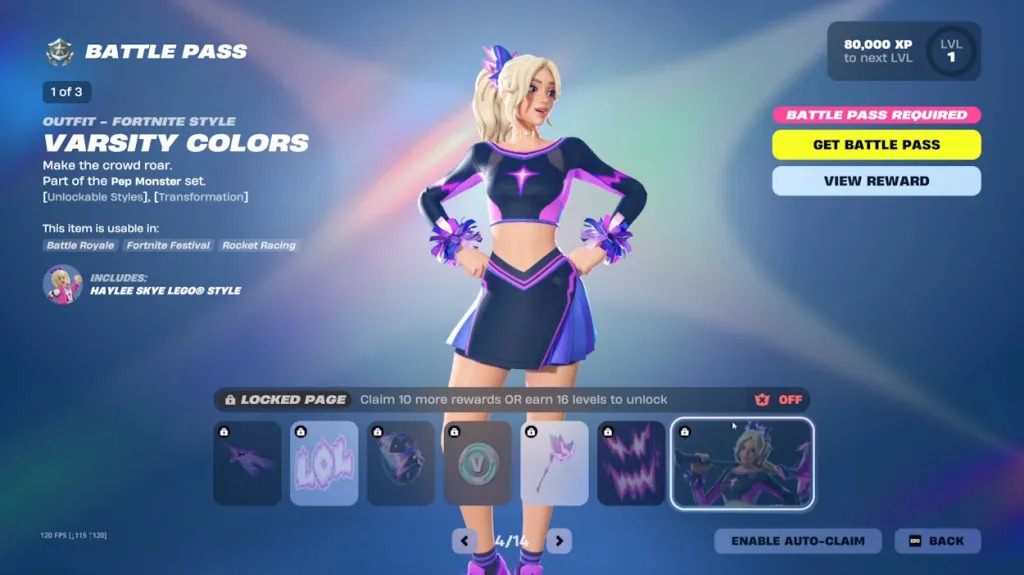
Battle Pass systems featuring progress bars and pre-unlocked initial tiers (e.g., Fortnite)
IKEA Effect – Effort Creates Attachment
Definition: The IKEA Effect is a cognitive bias where people value things they partly built themselves more than if they were given finished [9]. Simply put, effort increases emotional attachment.
Application: Let players contribute to or customize something in the game. For instance, allowing players to craft or assemble items, design a character, or bundle their own offers triggers the IKEA Effect. Because players put effort into creation, they form a stronger attachment and are more willing to invest further. This is why build-your-own bundles or incremental upgrade systems often increase average order value. By designing mechanics where players help create or improve content, studios make those items feel personally earned [9].
Usage Tip: Use customization and player-driven content. The more effort players invest, the more they value the outcome and the more likely they are to spend on it.
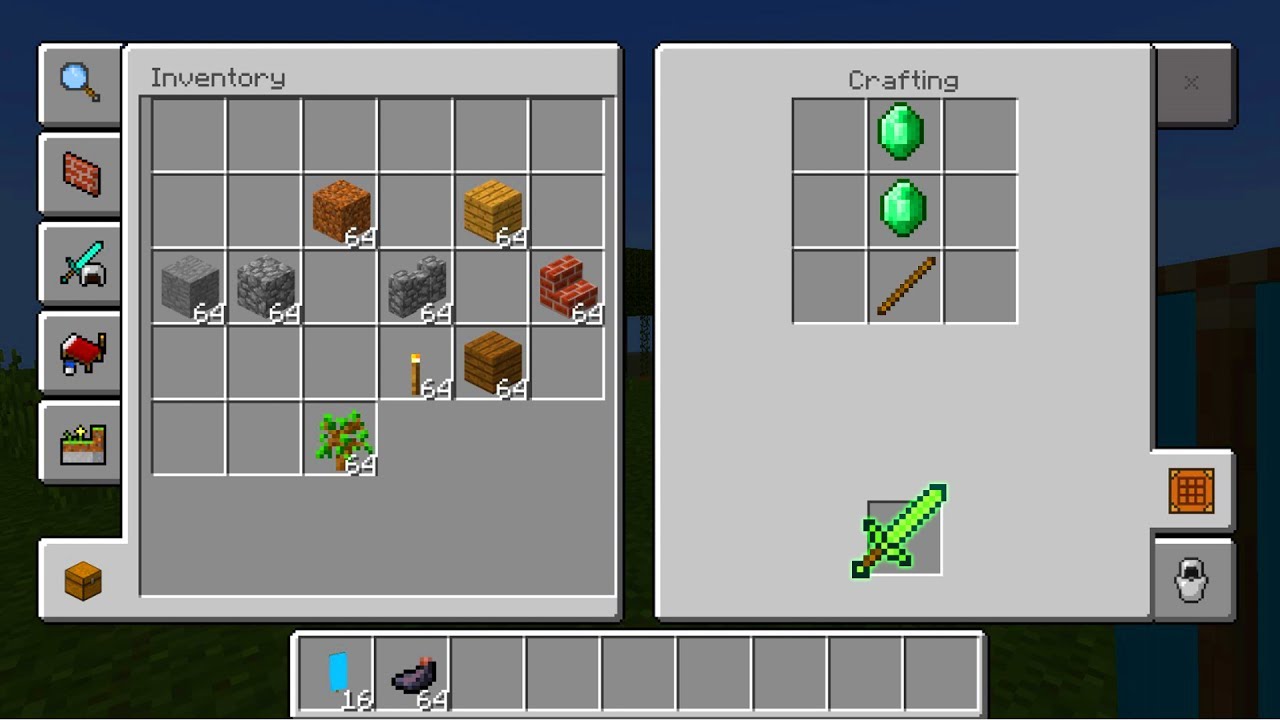
Item crafting and assembly interfaces (e.g., Minecraft)
Social Proof & FOMO – Status Sells
Definition: Social proof is the idea that people look to others when deciding how to act [10]. Combined with FOMO (Fear of Missing Out), it means showing players what others are doing or what they are about to miss.
Application: Highlight other players’ behavior and status symbols. Public leaderboards, guild rankings, or visible elite gear tap social proof: if a player sees top players flaunting certain items or rewards, they want the same status. Limited-time or exclusive items further amplify FOMO. For example, displaying how many players own a particular skin or showing a sold-out tag increases perceived desirability. Limited-time event rewards also leverage FOMO by signaling that rewards will not be available forever, encouraging players to act quickly [2].
Usage Tip: Leverage social signals such as rankings, achievement visibility, or ownership counters. Combining social proof with scarcity creates strong conversion pressure.
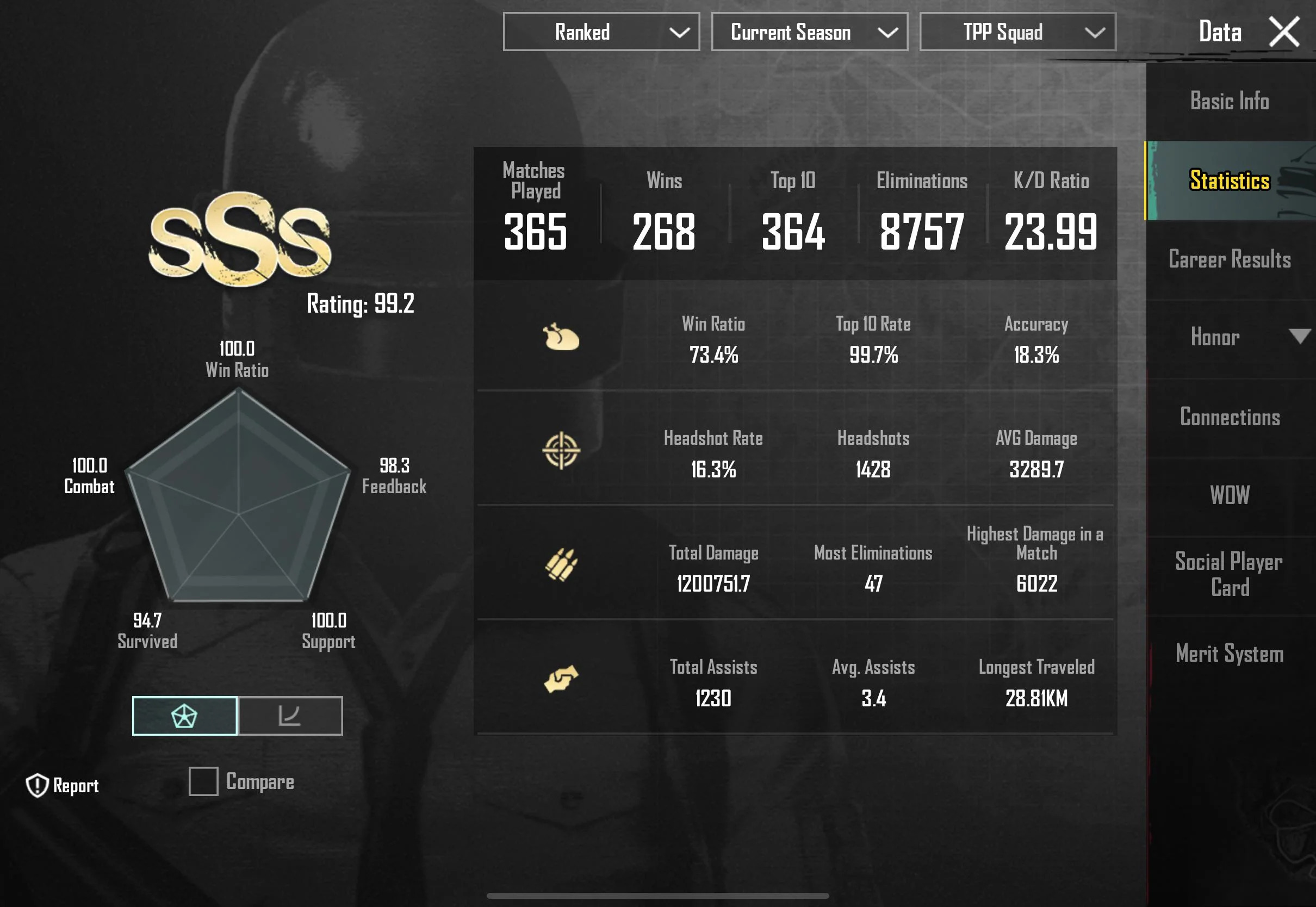
Leaderboard rankings and competitive player stats (e.g., PUBG Mobile)
Peak–End Rule – Craft Memorable Peaks and Endings
Definition: The Peak–End Rule describes the tendency for people to judge an experience largely based on how they felt at its most intense moment and at its ending [11].
Application: Design game events so that players experience a strong climax or finale. The most intense battle or best reward at the end of an event disproportionately shapes player memory. A dramatic final boss or high-value final reward tier can significantly improve how the entire event is remembered. Even if an event contains grind-heavy segments, a strong ending increases positive recall and future participation [11].
Usage Tip: Build towards a memorable “wow” moment. Strong event finales, exclusive end rewards, or cinematic closures help drive post-event retention and anticipation for future content.
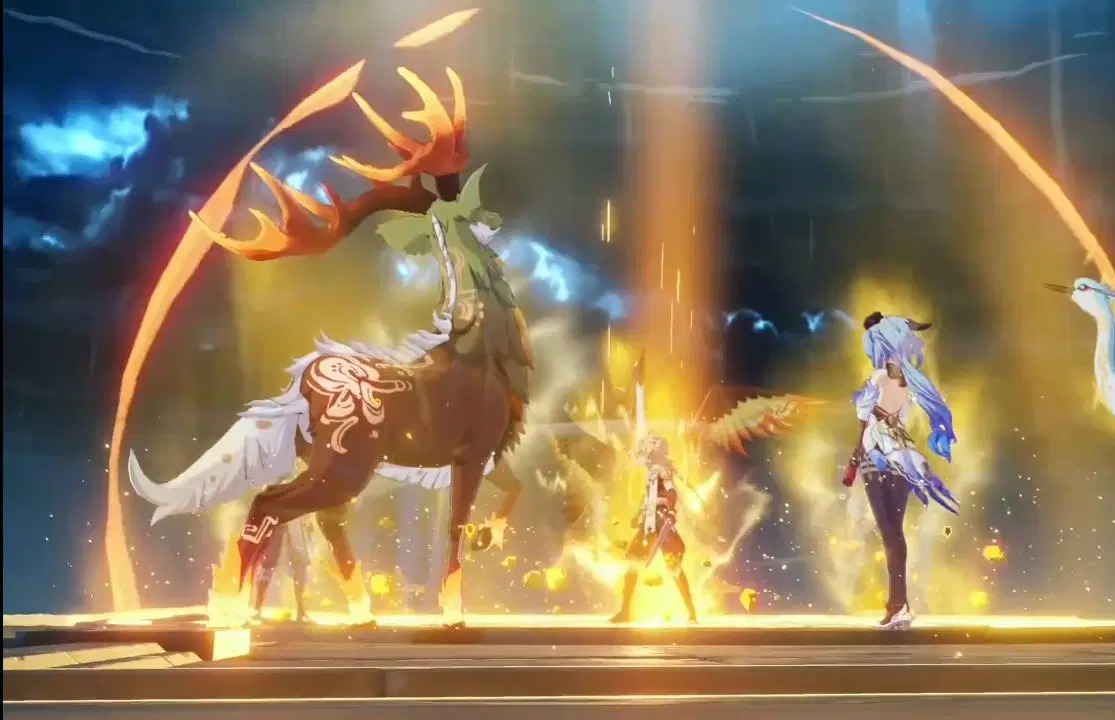
Final boss fights in special limited-time events (e.g., Genshin Impact)
Cognitive Load Theory – Simplify to Convert
Definition: Cognitive Load Theory highlights that humans have limited mental processing capacity, and excessive information reduces performance and decision-making ability [12].
Application: In game monetization, this means curating choices instead of overwhelming players. A massive shop filled with dozens of offers can reduce conversion, while a small number of clearly structured bundles performs better. Simplified purchase flows, highlighted recommendations, and reduced UI clutter lower friction and increase action. When information exceeds cognitive capacity, users are more likely to abandon decisions entirely [12].
Usage Tip: Use segmentation and defaults. Present recommended bundles instead of every option, and guide players step-by-step through decisions. Every unnecessary choice adds friction.
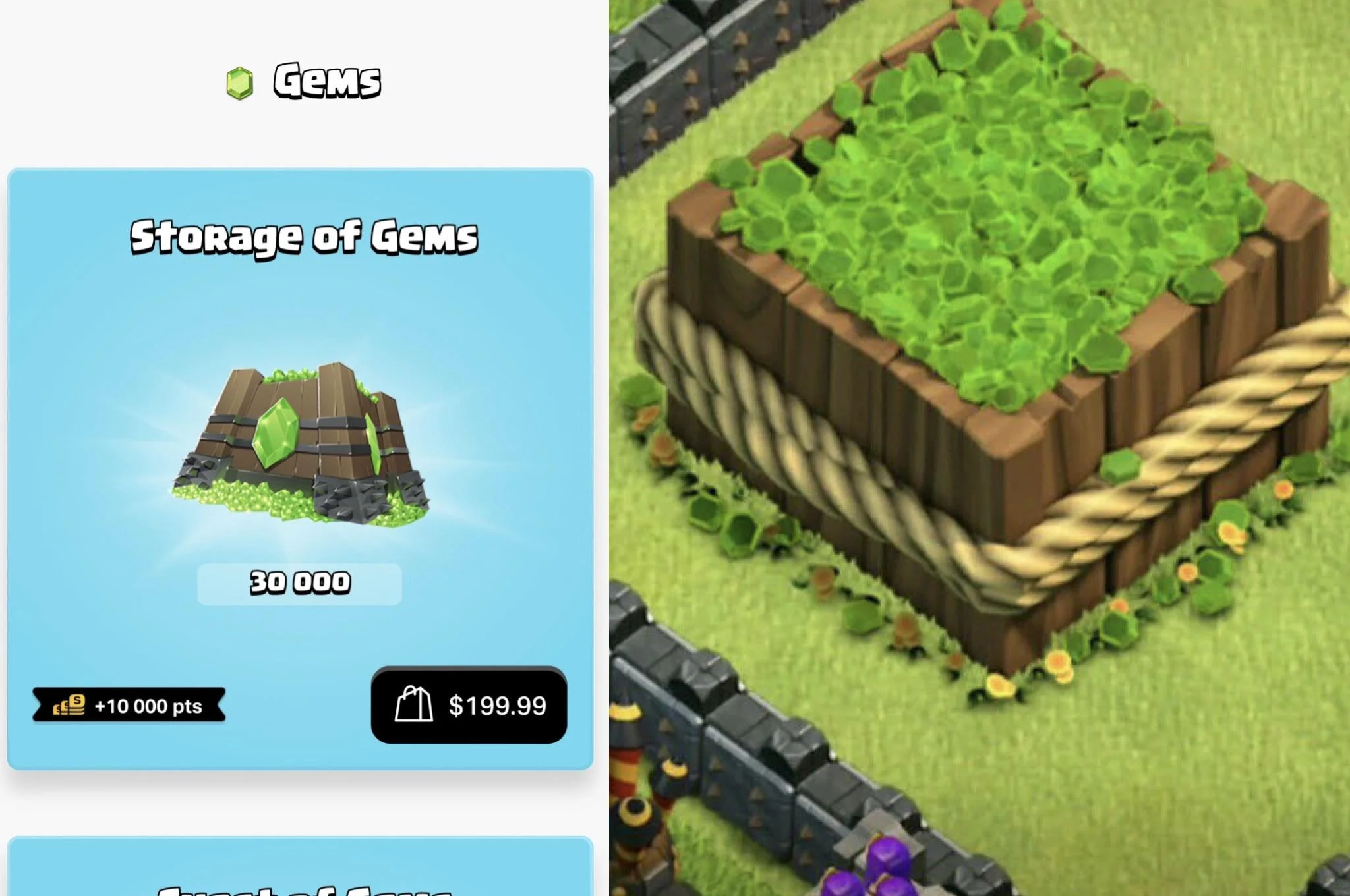
Streamlined Shop UI with clearly defined, easy-to-understand bundles (e.g., Clash of Clans)
Conclusion
Great long-term LTV isn’t a random consequence of adding more content; it’s the result of carefully stacking psychological drivers into game design. No single mechanic delivers sustainable growth. Instead, effective LiveOps teams combine urgency, randomness, social motivation, progress reinforcement, and simplicity to align with how players naturally make decisions. By architecting experiences around these behavioral principles, games can create systems where engagement and monetization feel organic rather than forced. Studios that orchestrate these principles effectively will see stronger retention, healthier monetization, and more sustainable growth across markets.
References
[1] Sridharan (2017). Parkinsons Law. Think Insights.
[2] Laz, M. (2025). In-Game Events: Driving Player Engagement and Revenue Through Timed Promotions. Elevatix Blog.
[3] Elias, M. (2025). Variable Ratio Schedule and Examples Unleashed. Discovery ABA.
[4] Wang, W. (2017). Reward Schedules and When to Use Them. Game Developer.
[5] Prospect Theory. Wikipedia (2023).
[6] Adrian, C. (2025). The Role of Behavioral Psychology & Cognitive Biases in Freemium Game Design. Adrian Crook & Associates.[7] Pay, K. (2022). Loyalty Psychology Series: Endowed Progress Effect. Loyalty & Reward Co.
[8] Madigan, J. (2019). The Psychology Of Fortnite’s Battle Pass. The Psychology of Games.
[9] Agate (2025). The IKEA Effect in Gamification: Harnessing Player Engagement.
[10] Pilat, D. (n.d.). Social Proof. The Decision Lab.
[11] Thomas, K. (n.d.). Peak–End Rule. The Decision Lab.
[12] Whitenton, K. (2013). Minimize Cognitive Load to Maximize Usability. Nielsen Norman Group.